

“A Star Danced”: In conversation with Bard on the Beach Artistic Director Christopher Gaze
The meaning of Shakespeare, and why Vancouver needs the arts more than ever.

Listen to the Episode
You can download this podcast on all major platforms including Apple Podcasts and Spotify.
The first time I saw Christopher Gaze at City Hall this summer, the room felt like a theatre: a packed gallery, a live debate, and a voice that knew how to land a line. He spoke about public investment in culture—operating grants, land trusts, space equity—and the temperature shifted. Not because he was loud, but because he was exact. “When you invest in the arts, you invest in the soul of the city,” he said, and the sentence travelled the chamber like a cue.
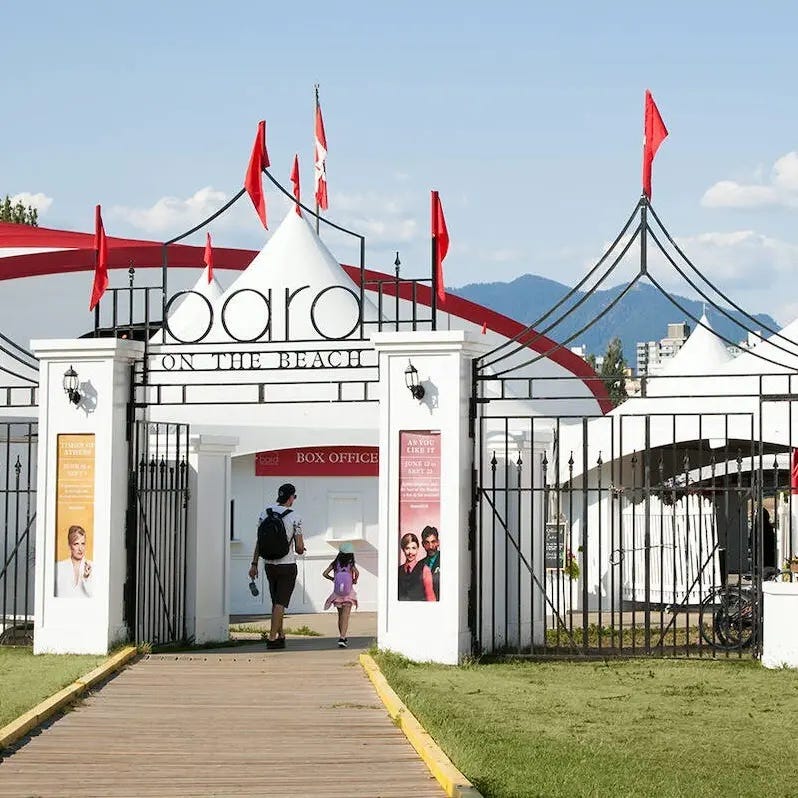
It’s easy to hold Bard on the Beach in a single image: tents and sunsets, the brief astonishment when the mountains appear behind a soliloquy. It’s harder to remember that a festival is an act of will. After earlier attempts collapsed mid-season, Gaze gathered a small cohort of young theatre-makers in 1989, many trained at UBC, looked across False Creek, and said: let’s try again. He had worked Shakespeare under canvas in Edmonton. He had trained at the Old Vic in Bristol, mentored by Douglas Campbell. He’d been told, long ago, “you can do something in Canada,” and he arrived with ambition and an appetite for adventure.
Vanier Park was a bet, not a given. He’d seen an outdoor festival there fail in 1984, knew the pitfalls, and moved forward anyway. It began, he says, with trust—finding people he respected and deciding to do it properly. What followed was less origin myth than steady craft. Seasons laid down like planks. Audiences returning, then multiplying. A city recognising itself in a public place.
Bard’s footprint now reads like a spreadsheet—about $18.5 million in annual economic impact, hundreds of jobs, a ripple through restaurants and hotels—but Gaze doesn’t start with numbers. He starts with purpose. They’ve built something significant; his focus now is sustainability. The solution he offers is structural rather than romantic: an endowment to steady the organisation through softer years, the kind of quiet financial architecture that lets art keep breathing when costs rise and habits shift. Affordability, inflation, and the long shadow of the pandemic have changed audience behaviour. People learned to stay home. Which is why, he argues, live performance matters even more. What you and I see on different nights is the same thing but not the same thing. It happens once, here, now. That is the point.
He is a natural at turning an argument into a picture. Asked for a thirty-second elevator pitch to a councillor, he begins with thanks and then gestures to the imagined walls around us. Your investment in the arts is more important than you will ever know, he says. What you fund—across the established and the emerging—enriches the city in ways that can’t be measured quickly. Look at this elevator: bare walls. Imagine if we could make it beautiful. That is the arts. Wouldn’t it be better if it were like that?
His case starts at street level. Everyone lives with art whether they recognise it or not: how you decorate a room, the music you choose, the clothes you put on. Then he scales up to the civic frame. Tourists don’t come to sit in hotel rooms between meals. They go to shows and galleries. People go home remembering the stories they were invited into. Galleries, theatre, opera—these make a city richer. They give residents better, more beautiful lives. That is not extra.
What he wants for first-timers is simple and generous. The win is a life changed a little by contact. He maps the first ten minutes with a precision anyone who has escorted a friend to an opera will recognise: the moment of not understanding, the temptation to check out, the decision to stay. Then the language begins to pour over you. You won’t get everything. No one does. Grasp what you love. Often that is enough to start a long habit.
Under the policy and the poetry sits the muscle memory: rehearsal and repetition, the quiet work that lets effort look like ease. He discovered early that he had a facility for speaking Shakespeare so it made sense aloud, but the craft is graft—table time, reading, repeating until it rings true. If you are lucky, someone who loves you will listen while you work. Home anchors the public life: his wife, Jennifer, and long friendships across Vancouver’s classical scene. The honours that trail his name—the Order of BC, the Meritorious Service Medal—register less as polish than encouragement. He is grateful, he says, and he has worked hard.
Bard’s lore is built on nights when everything goes right and nights when it doesn’t, and audiences witness the care that holds a story together. Before the pandemic, there were no formal understudies. People went on in all kinds of conditions. One evening, with ninety minutes to curtain, Patti Allan phoned in, violently ill. He told her to come down and they would see, but it was clear she could not go on. He turned to his associate and said he would take the part. She was the Wicked Queen. No, he wouldn’t wear the dress. Just something small so the audience understood what they were seeing. He read from the script; they listened with attention and empathy. They stood at the end. Two and a half decades later, people still mention that night.
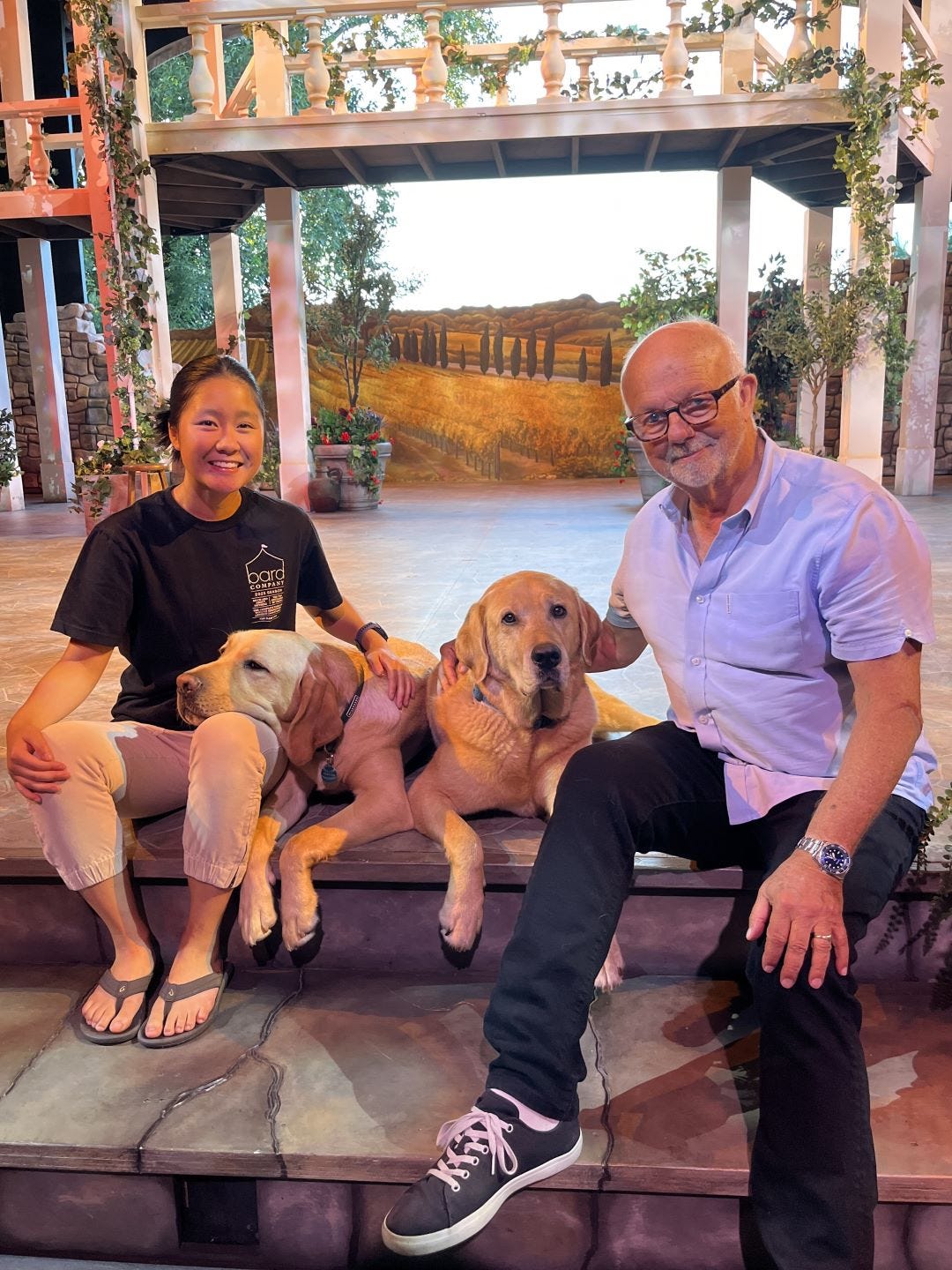
There are gentler legends, too. When The Two Gentlemen of Verona—the only Shakespeare play with a scripted dog—appeared on the slate, director Dean Paul Gibson thought of Mason, the family’s retired BC Guide Dog. Mason took blocking without fuss and never argued about motivation. He only wanted to know if you had a treat.
And there are the lines that function like a compass—workaday maxims that still steady the hand. He keeps “This above all: to thine own self be true” close by. He keeps a softer one as well: a star danced, and under that was I born. Both show up when needed: in rehearsal halls, on stages, in eulogies.
What the city needs from the arts, in his telling, is not simply diversion. It is coherence. Cultural infrastructure is harder to photograph than a bridge, but it holds days together just as surely: the season you look forward to, the gallery you take out-of-town friends to, the story a child tries on because someone onstage showed them how. Public investment in culture is not charity. It is maintenance and growth for the civic imagination.
“What you and I see on different nights is the same thing, but different. It happens once. It is here. It is now.”
The tents will go up again. The air will salt itself at dusk. Somewhere a dog will hit its mark; somewhere an actor will meet a line as if for the first time. In the dark, a first-timer will pass the ten-minute threshold and feel the language arrive. The city will remember itself—onstage, in chorus, together.
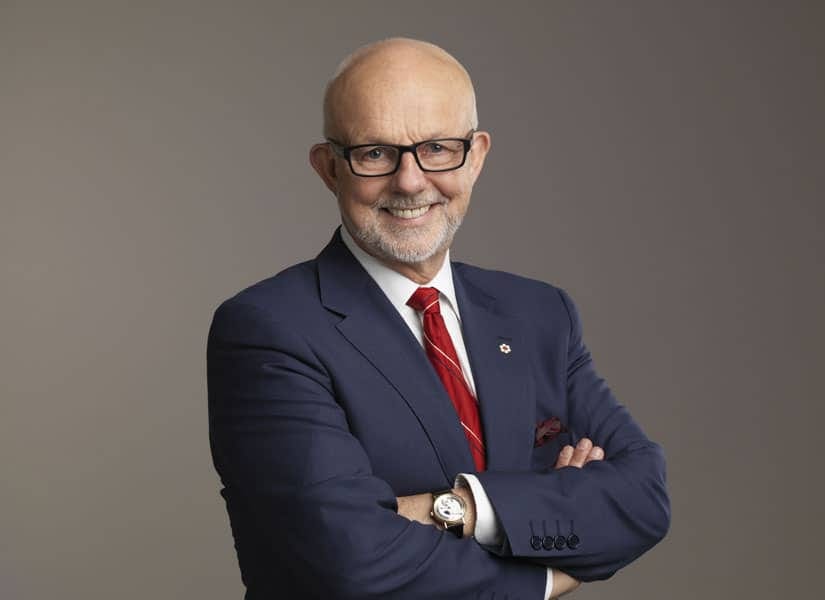
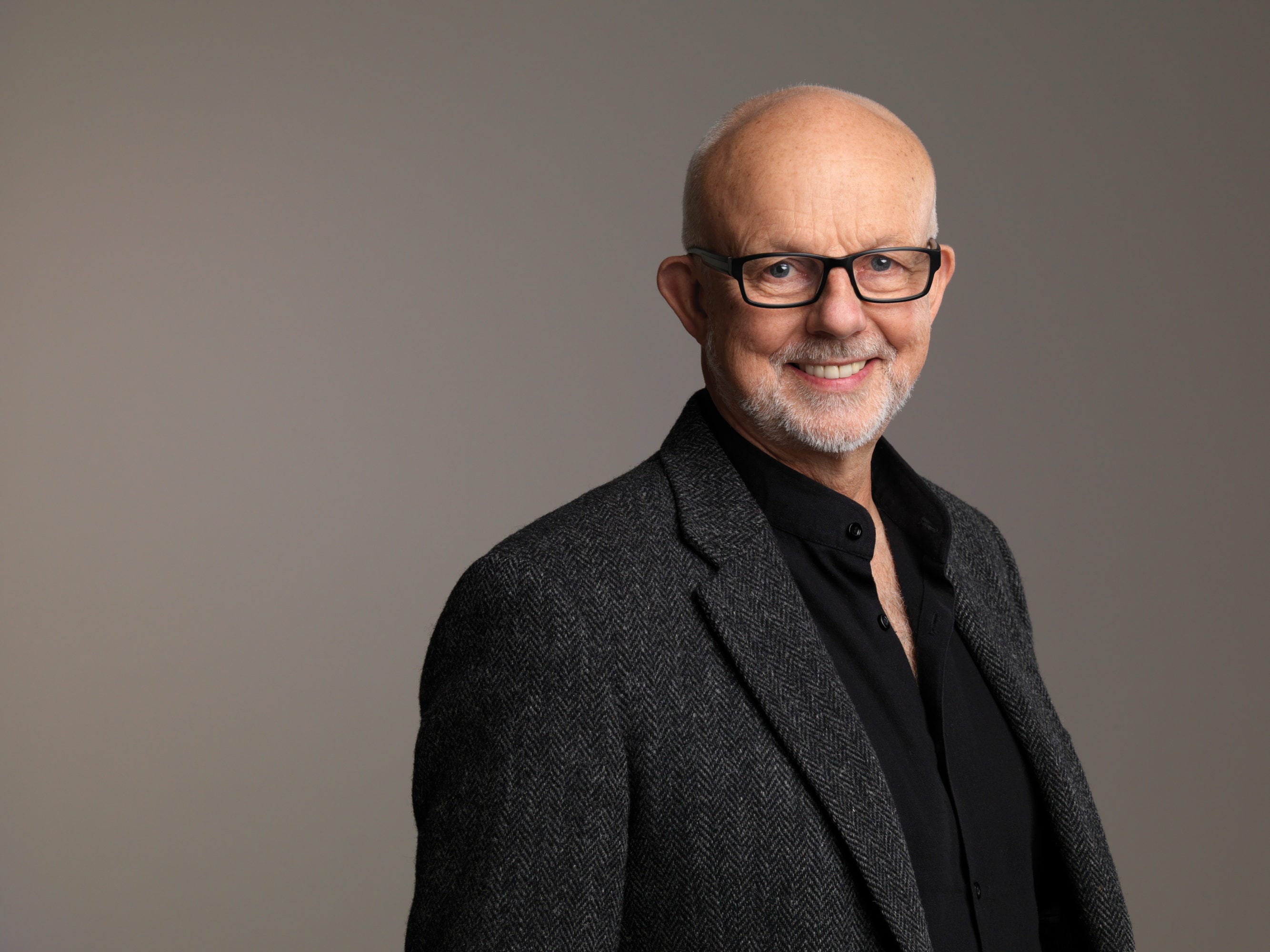
Christopher Gaze - Artistic Director of Bard on the Beach Shakespeare Festival
Christopher Gaze is best known as the Founding Artistic Director of Bard on the Beach Shakespeare Festival, which celebrates its thirty-sixth season in 2025. He hosts the Vancouver Symphony Orchestra’s popular Tea & Trumpets series and also their annual Traditional Christmas concerts. He plays a leading role in British Columbia as an advocate for the arts in general, and his passionate dedication to Bard on the Beach has fuelled its growth into one of the largest professional theatre companies in Canada, drawing a total of well over two million patrons since 1990. His many honours include Canada’s Meritorious Service Medal, Honorary Doctorates from UBC & SFU, the Mayor’s Arts Award for Theatre, the Order of British Columbia and, most recently, the King Charles III Coronation Medal.
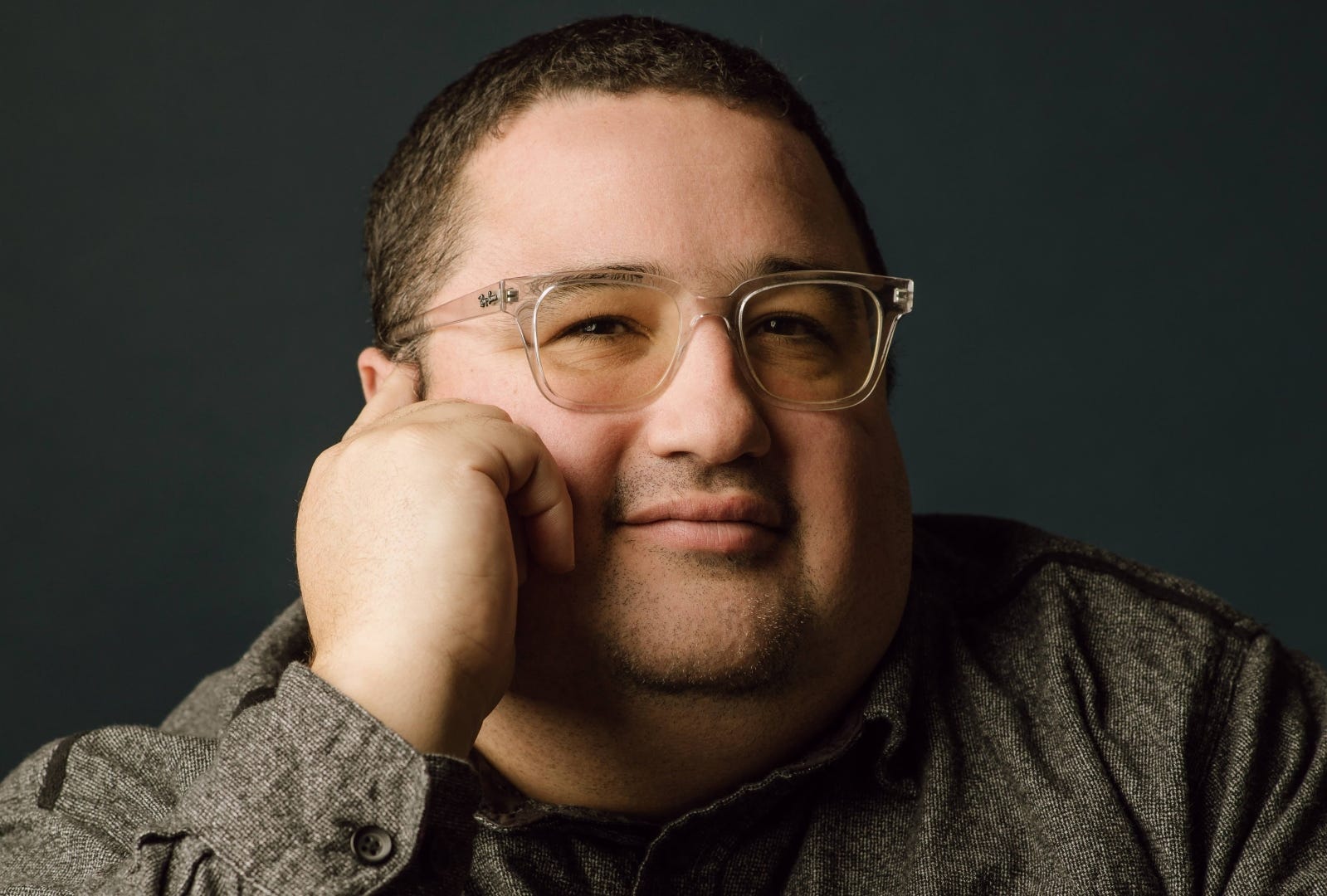
Ashley Daniel Foot - Host, Inside Vancouver Opera
Ashley is Vancouver Opera’s Director of Engagement and Civic Practice and host of Inside Vancouver Opera. Boundlessly creative and fascinated by the way that art is created and presented, Ashley has guided arts organizations across Canada to craft messages and tell unique stories.
Mack McGillivray - Producer, Inside Vancouver Opera
Mack is a multimedia producer, creating shows for radio and podcast. He is passionate about cultivating local community and a lifelong lover of opera.