

What We Build When We Listen
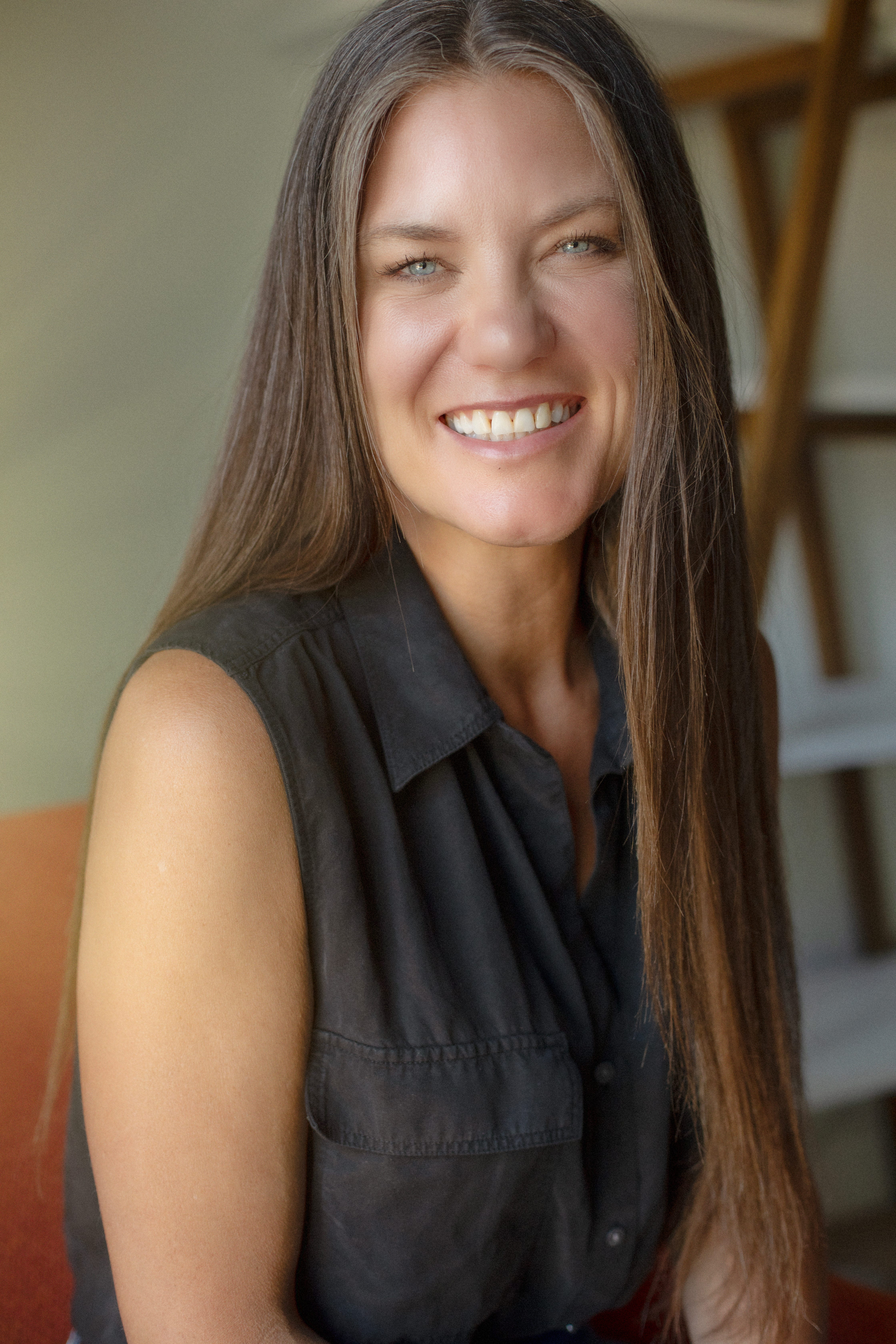
Amanda Burrows, Executive Director of First United, on why art and advocacy are “so intertwined” in Vancouver's Downtown Eastside.

You can download this podcast on all major platforms including Apple Podcasts and Spotify.
Begin on Hastings Street. A welcome mat outside a tent. Two pairs of shoes set neatly, as if a door were there.
Our episode starts with that quiet claim: dignity is not a luxury, it is a daily practice.
Amanda Burrows has built a life around that practice. As Executive Director of First United and a new member of Vancouver Opera’s board, she works where art and advocacy meet. She calls the Downtown Eastside a living community, not a failed experiment, and asks us to listen before we speak. In this conversation, we trace her path from museums to mutual care, from fundraisers to frontline, from stages to streets, and we ask what we build together when we truly listen.
TRANSCRIPT
Ashley Daniel Foot:
We’re Inside Vancouver Opera. I’m Ashley Daniel Foot. Today we’re joined by someone whose leadership carries urgency, compassion, and vision across Vancouver’s cultural and civic life. Amanda Burrows is the Executive Director of First United, a 140-year-old organization in the Downtown Eastside that has long been a place of refuge, resilience, and justice. Amanda has also just joined the Board of Directors at Vancouver Opera, bringing her experience in leadership, fundraising, and advocacy into our very own circle.
Her career has spanned the cultural and nonprofit sectors from the Guggenheim in New York to the Art Gallery of Ontario to the Museum of Vancouver and right here now at VO.
You started in art history and museum studies working with, as we just mentioned, the Guggenheim, AGO, and right here at the Museum of Vancouver ,and even here at Vancouver Opera. Is this true? Tell us what you remember about that.
Amanda Burrows:
This opera company, this art form, but opera company specifically is ingrained actually in my life and it feels very full circle, very poetic to come back here as a board member. I don’t know if you’re aware, but Vancouver Opera in Schools in the 80s came to my elementary school and performed.
Ashley Daniel Foot:
So do remember what they performed?
Amanda Burrows:
I think it was The Barber of Seville and I was so captured by this art form. And I don’t come from a big arts family. I come from more of sports family. But they were so encouraging with how much I got into the arts and music at that time, violin, flute. And then from there, you know, after working here for years and now on the board, I’m honoured to be here and that you’re asking me these questions today.
Ashley Daniel Foot:
What do the arts teach you that you still use every day when you’re working on East Hastings?
Amanda Burrows:
This is so interesting, when people ask me about how art and then into advocacy and where actually this all started for me when it comes to social justice. It was social justice that introduced me to art rather than art introducing me to social justice, although they’re so intertwined, of course.
So I’ve been an organizer since I was a child, whether it was through climate or famine. And when we talk about organizing and social justice specifically, I want to be clear what I mean about social justice. I mean it’s about equity, it is about our human rights, it’s about mobilizing around trying to break systems of oppression, when I say social justice. And so then when it comes to the arts, how do we then bring that into the work that we’re doing? And I did an undergrad in art history because I’m really curious about the human condition. And I was like, what kind of degree can I get that I’m going to learn the most about the most? And I was like, “Oh! Art history!” It was so broad. And actually, the program was called History and Art. So you learned about the history and the context about then what produced the art.
It was there that I actually started learning more about Indigenous art. And my professor was really sharing with us about what happened due to colonization. And I am born and raised here. I had no idea about residential schools or banning potlatches. And she just gave lots of context and truth to that. And so this idea of social justice or art history and advocacy is so intertwined. Then I later went on to grad school and did museum studies.
Ashley Daniel Foot:
What led you then to the Guggenheim and the AGO and all those places?
Amanda Burrows:
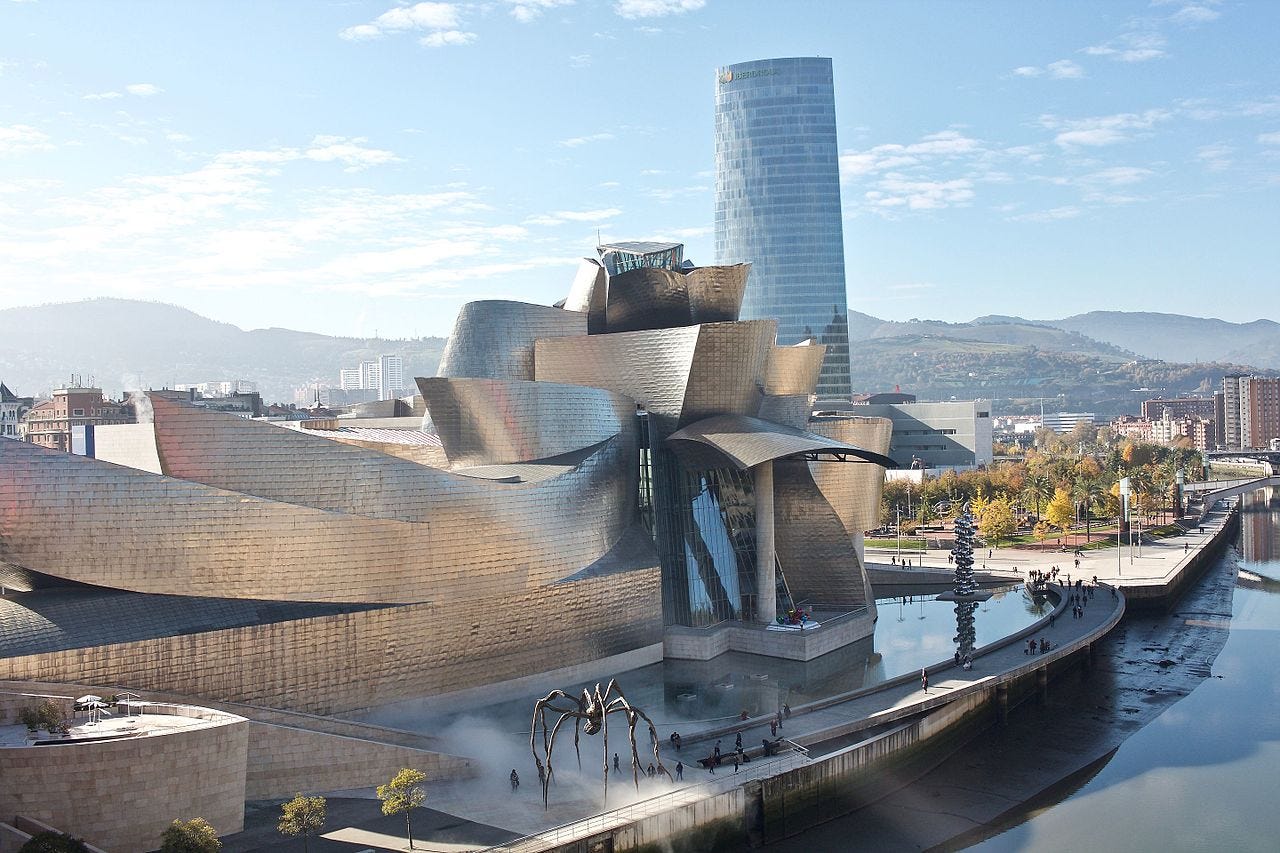
When I was in grad school, at University of Toronto in the Faculty of Information, where all the archivists, librarians, museum study folks come from, I was studying this concept called the Guggenheim effect. And if folks know the Guggenheim effect, it’s economic rejuvenation in a city. And usually it took a superstar architect to come and build something very grand. And often it could be the structure container was more elaborate than what’s actually contained. This later became known as the Guggenheim effect. And certainly the case study I looked at was the Guggenheim in Bilbao, Spain with Frank Gehry’s structure.
But what I got really fascinated about was the accountability back to community. Do we build these institutions for tourism, for entertainment? Are we consuming culture in a way and studying theories of Adorno -different podcast! - but like, how are we consuming? How do we consume culture? How are we transformed by art? And is it just this capitalistic exchange? And I don’t think it is.
Ashley Daniel Foot
Me either.
Amanda Burrows:
Haha there we go. We’ve heard it here!
So studying some of that work, which led me to start understanding a bit more about funding in museums. So how do governments fund? How do philanthropists fund? How do we mobilize communities around fundraising efforts if we’re trying to build something for your city, for your community, to cultivate senses of belonging? For learning share, like a library too when we’re talking about these conversations and our social infrastructure. What’s our accountability back? Is it just for cultural consumption of tourism and revenue generation? How are we building these places?
And then I did an internship at the Guggenheim in New York City, which was pretty much one of the most privileged opportunities I’ve ever had. It was incredible, the access to the organizations, institutions I got to go to with the group of interns. There’s a few of us for a few months, and got more into fundraising there and came back, worked at the Art Gallery of Ontario at the tail end of their capital campaign. Actually another Frank Gehry renovation there. And you know what though, the siren song, the West Coast was calling me and Vancouver Opera had a vacancy and I have just such a deep love for opera that it called me back and I worked here for six seasons.
Ashley Daniel Foot:
We’re in an odd moment, a difficult moment, I would say, in 2025, when it comes to development and philanthropy. We’re hearing from arts organizations across the world just how tenuous things feel. Do you have the same perspective? And is there something that we’re missing in this moment that we could be reframing in a different way?
Amanda Burrows:
I think as you say that, it comes back to me around this idea of resilience, this idea of resilience that we hold in the Downtown Eastside. When we talk about resilience as an individual or as a community and certainly the different complexities and threats that we see certainly around gentrification. However, when it comes to the arts, there are certain externalities and threats that are happening in the arts right now as you’re naming funding. So the precarity of funding is major.
So what do we do? So here’s my suggestion, would be to continue to stay on the course because arts matters. When you are doing the work in an arts organization, it’s not just about one organization, because the good news is, is art is going to exist whether you do or not in this organization. That’s how relevant and powerful art is. It exists because that’s how we exist with each other in community.
But since you do exist and this organization does matter, as your colleagues matter, we need to be mobilizing together with the artists, the grassroots groups, our other colleagues in this ecosystem to come together calling truth to power about why arts matters, how it transforms. And further to that, we need to continue to listen to our audiences. We need to be listening to the people who aren’t our audiences. And we need to be responsive, not responsive out of fear to shift or go off course of what we know to be true, but we need to respond to relevance. We need to be responding and it might look a little different, but just stay the course, be disciplined, continue on that path, mobilize together with your other colleagues and the artists doing this work because you’re stronger together.
Ashley Daniel Foot:
You mentioned community involvement and community buy-in. Why is that important when we’re thinking through what all of this looks like?
Amanda Burrows:
Well, because it isn’t just about you, me, just one person. It’s not about individualism. It’s about community. We have to think in community together to form change, to come together to share ideas, to change hearts and minds. It has to be done in community.
Ashley Daniel Foot:
In an op-ed in the Vancouver Sun, you recently wrote that the Downtown Eastside is not a failed experiment, it’s a living community of resilience. What moved you to publish that op-ed and what conversations have followed from that?
Amanda Burrows:
That op-ed was penned, the same day, in response to another one I disagreed with heavily. And really what spurred it on was we need to come up against some stigma. We need to come up against how sometimes this community is described without hiding from the truth of this community. And so often I frame this as an idea around struggles and strengths, the Downtown Eastside.
When we talk about the struggles, the complexities that are so obvious. We need to start with the strengths and the strengths are the power of culture, the artistic and cultural contributions, the power of the activism, the power of the resilience, the way that this community is so accepting of one another, not judging each other, the sense of belonging and the neighbour and that you know each other’s name is so important for us to remember.
When we then start discussing, of course, then the struggles, the racialization of poverty, the criminalization of poverty, the politicization of poverty, the homelessness crisis, substance use disorders, mental wellness. When we say grief is a constant companion, people die of overdoses so often there. And so that op-ed, like others that we do, is a direct response of trying to get people to be aware of the context. That it’s not always the individual’s fault. It’s the container, it’s the systems, it’s failed policy, it’s fear, it’s stigma.
And so to move beyond just words in a newspaper, we want to move towards action. And all that action starts with one person caring. If I can change a heart and a mind to understand a human a bit better about why they’re in a situation they are, maybe you’ll be more open-minded to the policies that’s gonna help change or save their life.
And I believe that art can be a pathway towards that as well, because it builds our understanding and pathways to compassion and empathy, and which is a powerful and beautiful thing.
Ashley Daniel Foot:
I think that the work that you’re doing is remarkable at First United, the organization turns 140 this year. And you’re developing with First United the First Forward Redevelopment. Tell us about that and what that looks like. You’re actually putting things into action here.
Amanda Burrows:
140 years! Happy birthday to us, this year, it’s incredible! And so we are led by this vision, we’ve had it around for a long time, where we want to be a neighbourhood where the worth of every person is celebrated and all people thrive. And we believe in order to get there, we are guided by these principles of dignity, belonging and justice. And when we say dignity, what we mean that your daily needs are met, like food and a place to go to the washroom, a place to clean, yourself, a shower.
When we say belonging, we’re talking about places and spaces to gather, that there are safer spaces without stigma, without judgment, places you can worship where you want, how you want. When we say justice, again, I’m talking about that social justice work, breaking those cycles of oppression and poverty, the key people in poverty.
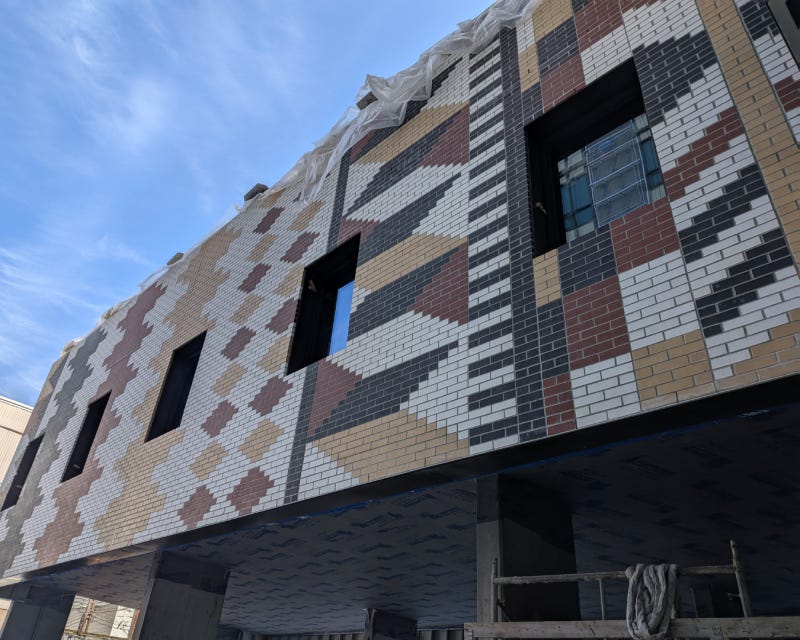
So that’s sort of the work that we’re doing and in amongst that, we’re redeveloping our site into an 11 story, seven floors of social, supportive Indigenous housing and four floors of wraparound services serving the broader community, continuing to do the wonderful work we’ve been doing for over a century.
Ashley Daniel Foot:
That’s incredible. And you’re telling me that this is going to be opening fairly soon?
Amanda Burrows:
Yeah, I mean, this is a $92 million project. It’s done in January of 2026. And then, after occupancy, we’d move in shortly thereafter and start up our program. It’s really exciting. It is surely going to rejuvenate this neighbourhood, not gentrify, actually rejuvenate it for the low income folks that already live there. And that’s what uplifting the Downtown Eastside really means in this context, building purpose built, beautiful places and spaces for people who actually live there and who are low income.
Ashley Daniel Foot:
The numbers this year are looking like we’re losing more than five British Columbians a day to toxic drugs. Where do you see the biggest gap between evidence and policy, safe supply, supervised consumption, detox access? How do you keep going in the face of, I think, undeniable political headwinds?
Amanda Burrows:
Well, first, it’s great to know that there are solutions. The despair is not in we don’t know what to do. The despair is that people aren’t listening to us to do what we know to do. And this is actually life and death. This isn’t just a moral argument because you don’t like what you see. This is actually because of maybe some fear, some stigma, personal fear, political fear. People actually die every day. Every day people die.
Right now, yes. And across BC and all income levels, it is impacting so many people and there’s just barely even a degree of separation before you know somebody who has suffered from an overdose death, they’re family. So the solution is safe supply, I’m going to name it. And what safe supply means is that people are not accessing the toxic drugs that are the thing that is killing them.
And in order to do safe supply, that means that it needs to be regulated and, you know, legal. And that causes quite a concern. And I could get into stuff around prohibition and what we saw with alcohol in early 20th century that created the black markets. That same sort of stuff is applying to illicit drugs now. And so we need to end the war on drugs and stop the prohibition because people are going to use anyway. So let’s make it safer. As a community member once said to me during COVID, when all the fear of what was happening with all the supply chain to an illicit drug, she looked at me and she’s like, “Amanda it’s the medicine of the oppressed.”
You know, that’s the reality. And so when people know where they are getting their safe supply, you can start actually thinking about different things to do in your day. Like when you know where your meal is, where you’re going to be fed, where you’re going to have something to eat, you’re able to function even more in society, right? But if you’re just, trying to find where you can find the supply and worry that it might end in an overdose. There’s just way better ways that we can show up and support each other.
So we know the solutions. The frustration is that they’re not being actioned in a way that’s going to make an impact and that impact is saving lives.
Ashley Daniel Foot:
Absolutely.
Opera reframes difficult stories. Your op-ed asks Vancouver to reframe our understanding and our belief of what the Downtown Eastside is. Not as broken, but as resilient. What do think artists, and the opera, can learn from advocates about reframing with care, and what can advocates learn from artists in reaching hearts?
Amanda Burrows:
Interesting. So I love opera. I hope that’s clear. I love opera. What I love so much about opera is it storytells. It’s an art, right? It’s storytells. And opera has always been able to do political and social commentary in its storytelling. Opera has also always been, in its history, an art form for the people. Like this is for the people. It’s not apart from the people.
So art and artists, hey, come to the Downtown Eastside, you know, and even if you don’t know the language, the resonance and wonder of art and having an artist in front of you and that power, the amount of awe that I see when people get to experience it and have access to this art form. So I would say it’s the access, the access to the art form would be incredible so that people can start experiencing this in community that way and artists to be in this community.
It’s for everybody. Like we don’t have to be one or the other like me. I’m an activist who loves opera. I go to opera and I advocate on the front lines and help, wanting to defend encampments because that’s somebody’s home. Like both things can exist. And so we need to be coming together in these spaces and places. I would love to see some opera in the Downtown Eastside.
Ashley Daniel Foot:
Me too.
You balance the now of front-line work with the long game of systemic change. What rituals or guardrails help you hold both without burning out?
Amanda Burrows:
Two things exist, both the responsiveness and what I like to say is system change work. So in our history, First United has always been responsive. Our history is so tied to this history of Vancouver. In the early 20th century, we responded to the first pandemic. We responded during the Great Depression. We responded during the HIV AIDS crisis. We responded to the homeless crisis. We’ve responded to COVID-19. We’re responding now to the overdose crisis. We consistently respond.
Also consistent to that is we have always called out truth to power. We have always mobilized around public advocacy to make change. We put in a mock safe injection site in the ‘90s, a whole bunch of ministers in our church to de-stigmatize what harm reduction could look like, would look like, and as we know, saves lives and saves lives still. So we’ve been doing that in our history. It’s just embedded in what we do.
Moving forward into our next chapter, we’ll continue to do that. We’re doing it even more. We’ve built out some capacity to build in some systems change work. And what I love about it, when I say that both and in this organization, actually it’s quite efficient. Governments are always talking about efficiencies. Well, we’re quite efficient. Why wouldn’t you want to be on the front lines, building the credibility, knowing what the issues are, and then also being able to in community with community research the solutions to that. And you’re doing that together. It’s so aligned, it’s so poetic, and it’s so powerful. And we’re seeing the results of some of that.
But you got to be disciplined, right? It’s going to take time to make deep systemic change. But in the meantime, some of the change that we see on the front lines in these moments are so powerful too. So that connection doing both doesn’t water down one or the other. It creates a much more powerful impact.
And as far as burnout goes, you know, yeah, we go to islands on the weekends, right?
Ashley Daniel Foot:
Yeah, we do. Word is out there.
Amanda Burrows:
The word is out. Yes, in the summer I take off on my bike and with a little backpack and usually hang out on an island and be in nature.
Ashley Daniel Foot:
Last thing, if everyone listening today, donors, artists, audience, opera lovers, citizens, took one action tomorrow, what should it be?
Amanda Burrows:
We don’t move forward together because of stigma and fear of someone who is not like us, but just know that we are bound together in our humanity, that there’s more that connects us than separates us. And this is, and I’m gonna, and I’ll end on a story then about shoes.
There were encampments along Hastings a couple of years ago, folks remember, all along Hastings in the corridor. And one day, and I live and work in community, so one day I’m walking to work and I notice this one tent started getting more decorative. And out front of the tent, there was this nice little welcome mat. And on that mat were two pairs of shoes, just beautiful and lined up. And I just, that moment was like, her tent is her home. And you need to take your shoes off before you go inside her house. And there was a certain amount of pride.
That I inferred from seeing this moment of these shoes on this mat outside this tent that is this woman’s home. And that is where we are as people. We want a home. We want to be proud of our home. We want a place where we can decorate our home, that we’re not in constant disruption or place state that we think we’re going to be displaced or evicted. We all just want to be treated with dignity and respect.
And I think let’s just remember that about each other more connects us and separates us.
Ashley Daniel Foot:
Amanda, thank you so much for your clarity, your courage, and your conviction that stories, whether told on East Hastings or on the opera stage, can be re framed into something stronger and something more human. I’m grateful for your time today, and we’re always grateful for the work that you’re doing with Vancouver Opera.
As always, thanks to my trusty producer, Mack McGillivray, I’m Ashley Daniel Foot, and I’ll see you at the opera.
Amanda Burrows
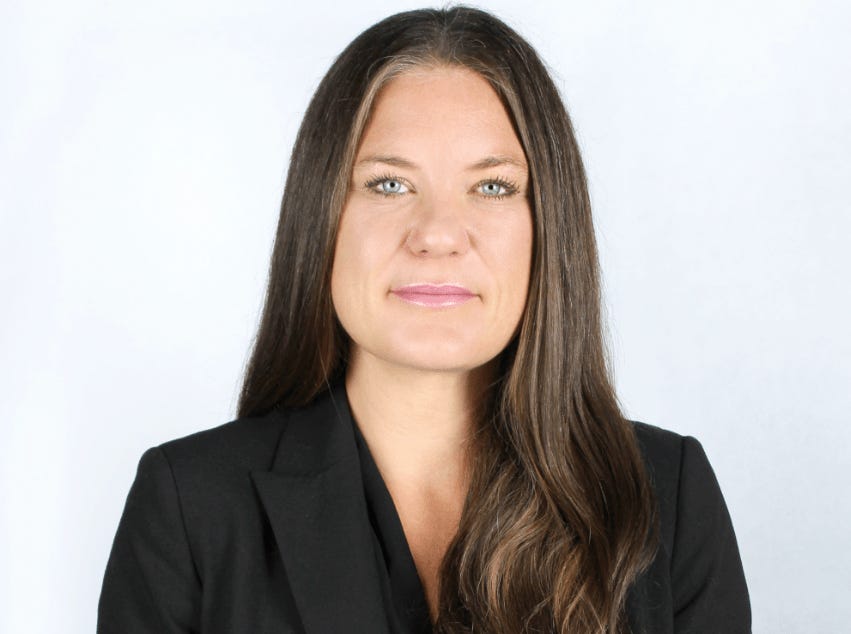
Amanda is the Executive Director of First United and sits on the Board of Directors at Vancouver Opera. She has 15 years experience building capacity in non-profits, using her skill set to build stronger and more equitable communities. As a connector Amanda develops programs and curriculum that stimulate philanthropic behaviour, and volunteers with organizations, and projects that encourage inclusion, civic engagement and social impact.
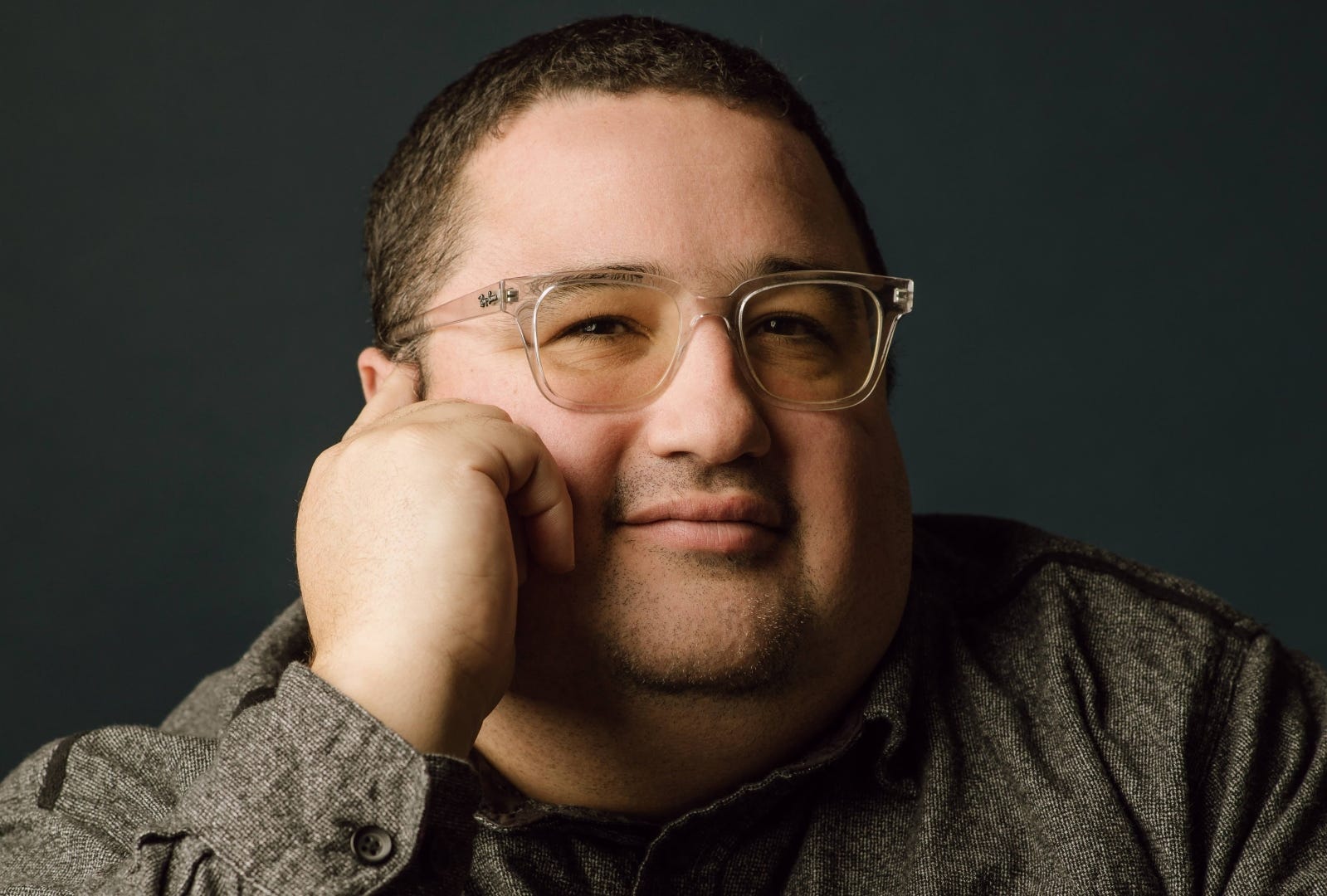
Ashley Daniel Foot - Host, Inside Vancouver Opera
Ashley is Vancouver Opera’s Director of Engagement and Civic Practice and host of Inside Vancouver Opera. Boundlessly creative and fascinated by the way that art is created and presented, Ashley has guided arts organizations across Canada to craft messages and tell unique stories.
Mack McGillivray - Producer, Inside Vancouver Opera
Mack is a multimedia producer, creating shows for radio and podcast. He is passionate about cultivating local community and a lifelong lover of opera.