

The Man Who's Sung Opera 168 Times
Most people see La Bohème once. Don Wright has performed in it — and 167 other productions — as a member of the Vancouver Opera Chorus.

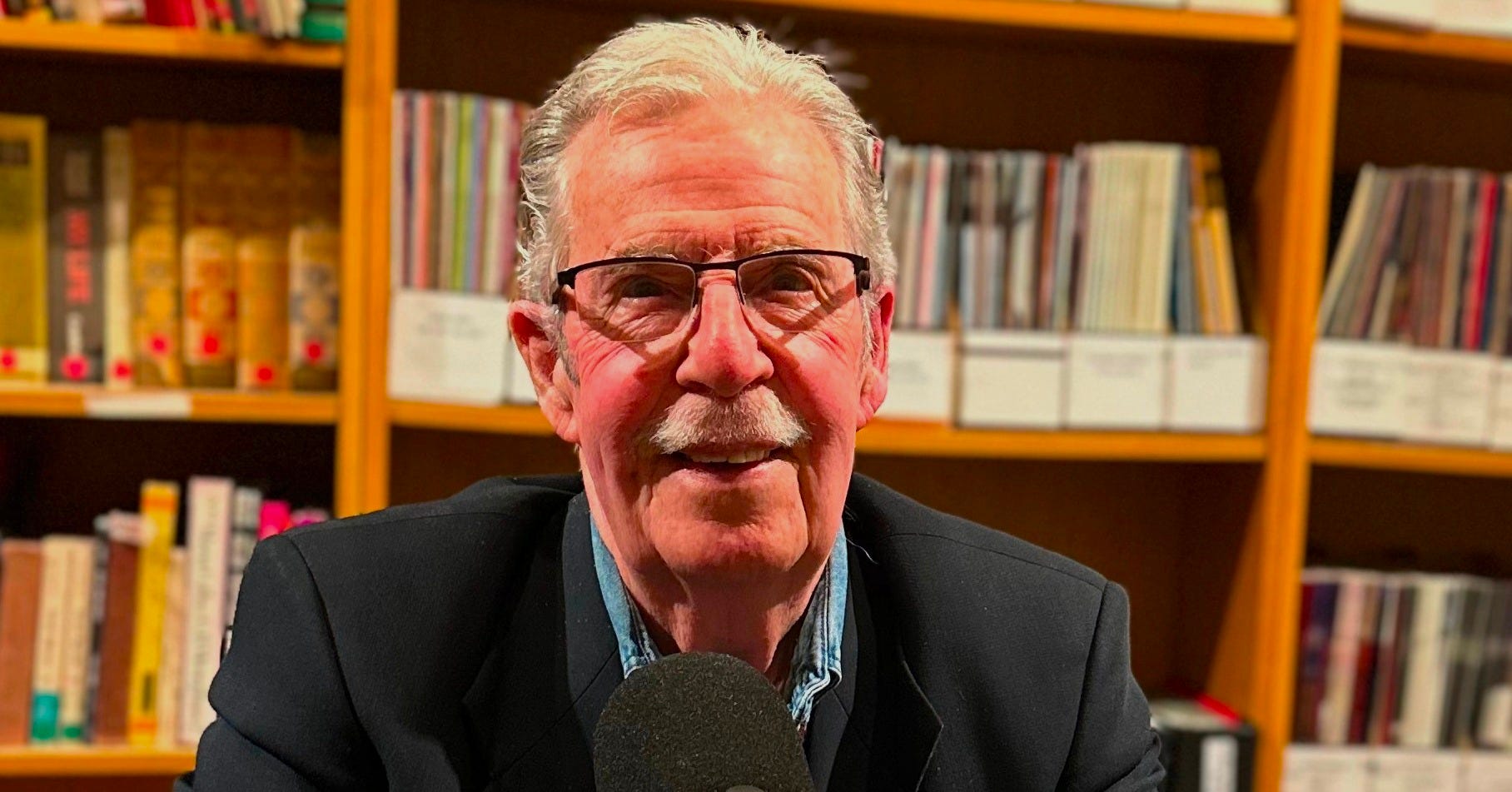
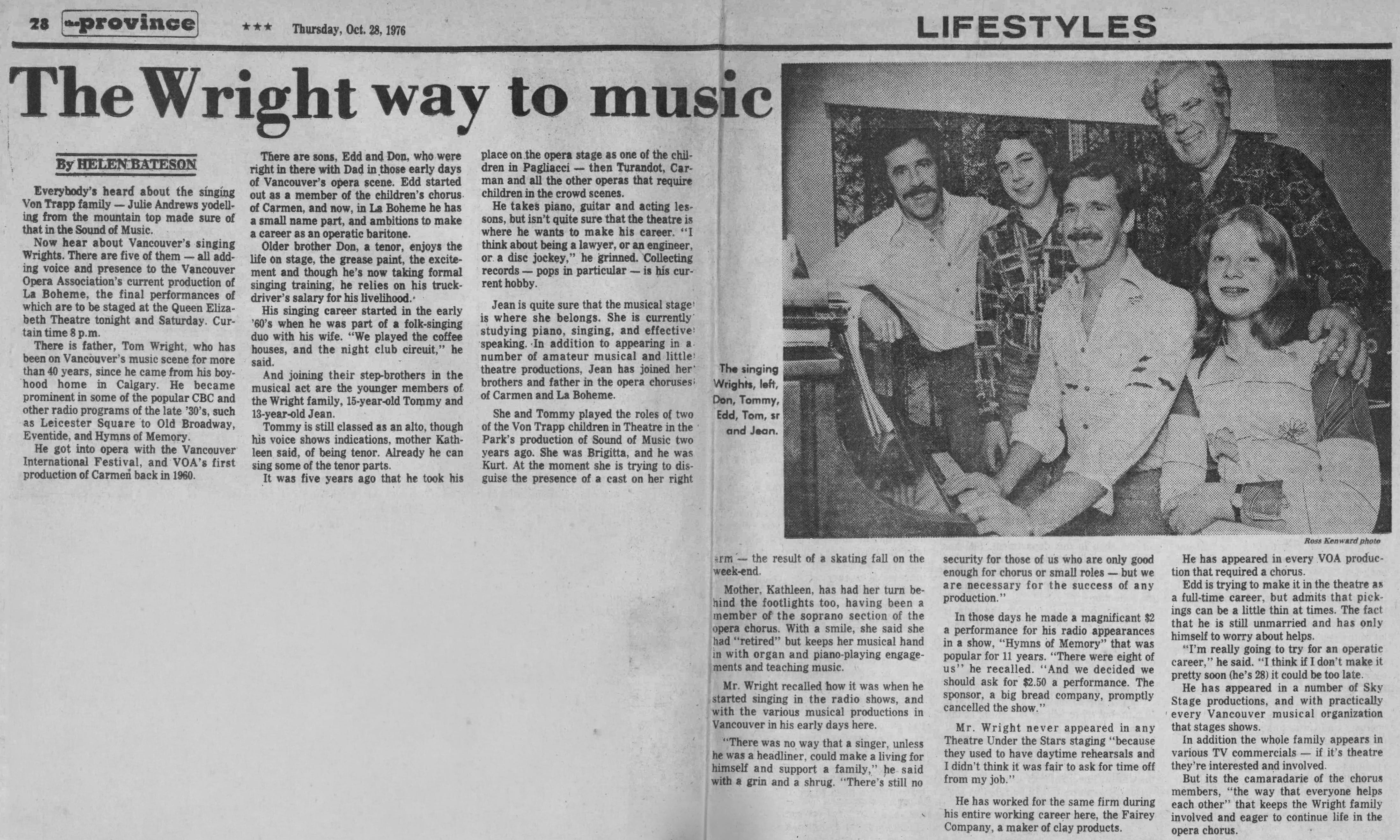
Don Wright didn’t arrive at Vancouver Opera through the usual door. While his father Tom sang with the VOA Chorus from its founding season in 1960, and his younger brother Edd was already on stage by 1965, Don spent his early years doing something else entirely: playing guitar at coffeehouses across BC, singing Gordon Lightfoot songs alongside a woman from Liverpool named Eileen, and harmonizing in barbershop quartets. Opera was in his blood — he just took the scenic route.
What followed was one of the quiet great careers in this company’s history. One hundred and sixty-eight productions. Four seasons with Opera in the Schools, where he quit his trucking job to sing for children 240 times a year. .
In this conversation — recorded ahead of La Bohème, the production that marks Don’s 168th — Ashley Daniel Foot sits down with him to talk about the folk years, the family legacy, a power outage on Cambie Street in full costume and chains, and what it means to spend a lifetime inside an art form that most people only glimpse from the outside.
You can download this podcast on all major platforms including Apple Podcasts and Spotify.
TRANSCRIPT
Ashley Daniel Foot:
We’re Inside Vancouver Opera, and I’m Ashley Daniel Foot.
Today, I’m sitting down with someone whose voice has been woven into the sound of the company for longer than many of us have even been on this earth. Don Wright is a long-standing member of the Vancouver Opera Chorus, a native Vancouverite, and with our upcoming production of La Bohème, he will reach a milestone that I genuinely find astonishing: 168 productions. Count them up, 168!
I’ve been turning that number over and over in my mind since we first started talking about this conversation, but here’s what makes it even more remarkable. Opera is in Don’s blood in the most literal sense. His father, Tom Wright, not our general director by the way, performed with the VOA Chorus from its original season in 1960 through to the 1980s. His younger brother, Edd, was a member of the chorus well ahead of Don, starting with VOA’s 1965 production of Carmen, no less. And there were productions, cherished ones, I would imagine, where all four Wrights performed together on the same stage. This is just not a life lived inside opera. It is a family legacy carried across generations.


Don, it is a genuine honour to have you here.
Don Wright:
Glad to be here.
Ashley Daniel Foot:
I’d love to begin somewhere earlier and quieter before Vancouver Opera, before the chorus. You came to this art form by what you’ve described as a rather late blooming route. In the 1960s and 70s, you were on the coffeehouse circuit as a folk singer, performing alongside your wife Eileen, dabbling in barbershop harmony world. Your father and brother were already deep inside Vancouver Opera, and yet your own path wound through very different territory.
Looking back, what was that journey like, and when did you feel the pull towards us, towards the opera?
Don Wright:
I was in a barbershop quartet during my barbershop years at the same time that we did our folk music tour around B.C. generally.
Ashley Daniel Foot:
Where did you tour?
Don Wright:
The island. Different churches.
Ashley Daniel Foot:
What were you singing? What kind of stuff were you singing?
Don Wright:
Well, Gordon Lightfoot, very similar stuff too.
Ashley Daniel Foot:
Did you play the guitar as well?
Don Wright:
Yeah.
Ashley Daniel Foot:
Do you ever still play it these days?
Don Wright:
I’d like to, but I just don’t get around to it anymore.
Ashley Daniel Foot:
Busy with 168 operas, right?
Don Wright:
Yeah, yeah, yeah.
Ashley Daniel Foot:
So how did you find your way into the chorus? I know that Bev Fyfe, that was our long-term chorus master, played a role in drawing you and Eileen in. First through the Greater Vancouver Operatic Society, and then leads in Gilbert and Sullivan in musical theatre. Do you remember when you really started to do the chorus?
Don Wright:
Well, I started the chorus in ‘75, I guess, but we did a lot of G&S with Bev for GVOS, did a lot of lead roles over the years, like from the, I’m guessing ‘60’s, right into the end of the ‘70’s, when I decided to join because our quartet split up, one of them, one of the fellows went East. So that made my mind up that I had the time to join the opera.
Ashley Daniel Foot:
You know, I’m fascinated because the life of a chorister. I don’t think we talk about it enough. The chorus asks for complete artistic commitment and a kind of ego surrender at the same time. You’re essential, and yet the work is asking you to kind of dissolve into something larger than yourself. And you’ve named the chorus, you know, camaraderie and all the friends that you’ve made as one of the great pleasures of your life.
That particular warmth that builds when people have shared hundreds of stages and shows together. How do you understand what it means to be in the chorus? And not just musically, but maybe as a way of being in the art form. What has that friendship and those camaraderies meant to you over the years?
Don Wright:
Everything, actually. I don’t think I ever met anybody that I didn’t like. I’m always sorry that a production is finished. I’ve never been happy that a production was over.
Ashley Daniel Foot:
168 productions, Don. I can’t even imagine. Do you remember some highlights over the years?
Don Wright:
Oh yeah, for instance, James McCracken, we went to Nero’s for an after party, and he sprung for drinks for the whole chorus. So that was, you know, that was relatively expensive, even in those days.
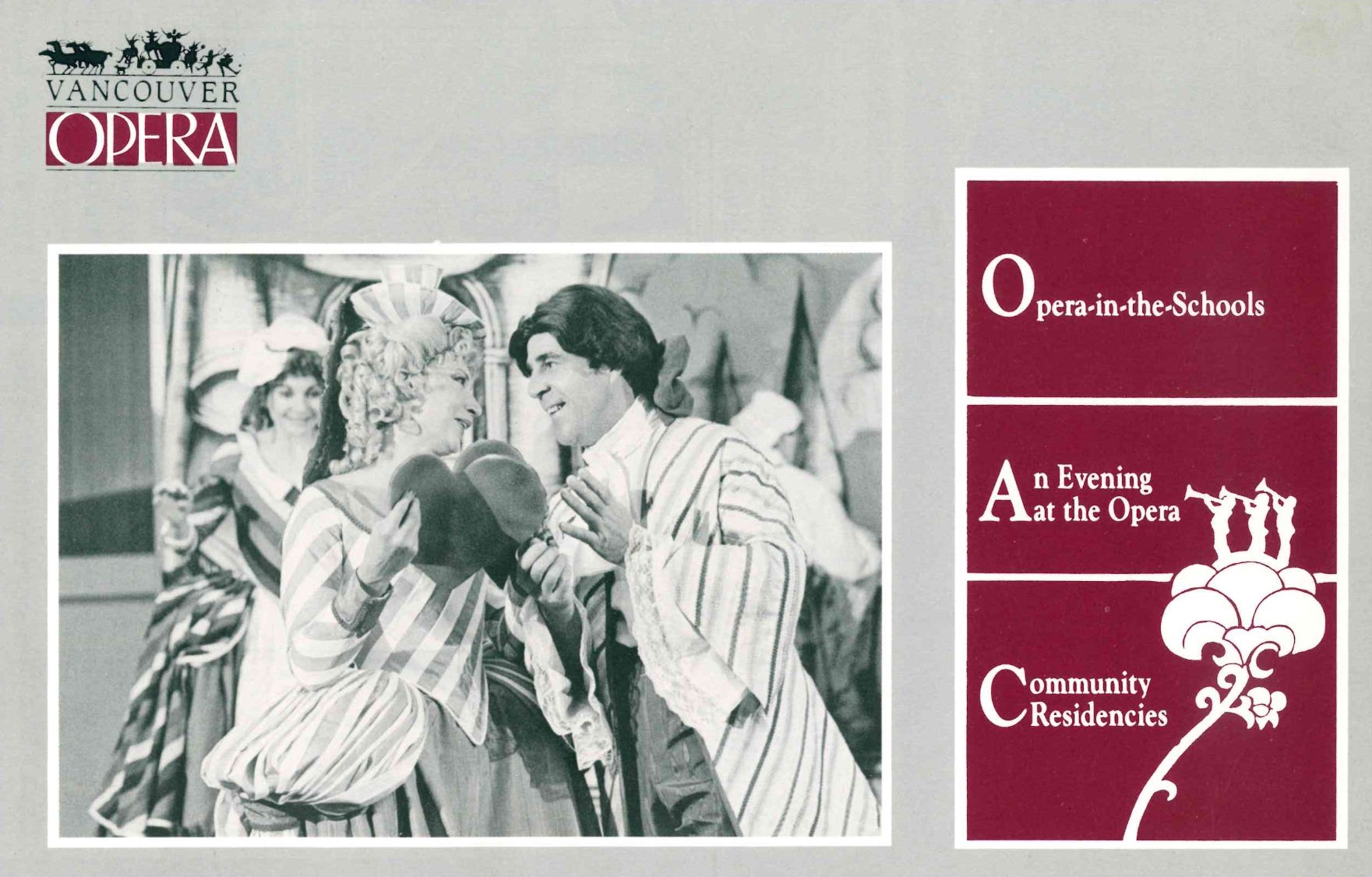
It’s been a great run, actually. I mean, that’s including four years of school programs, which I’ve enjoyed even more, because we used to meet after on stage and give 10 or 15 minutes of explanations to all the kids and all the questions that they would have.
Ashley Daniel Foot:
And this is our Opera in the Schools program, which you were in from 1984 to 1988. And you said that you quit your day job to do it. Is this true?
Don Wright:
Oh, yeah. I used to drive for a trucking outfit.
Ashley Daniel Foot:
So you decided no more trucks. You want to sing in schools.
Don Wright:
Yeah.
Ashley Daniel Foot:
And it was opera from then on.
Don Wright:
Yeah, pretty well. Yeah.
Ashley Daniel Foot:
You went to 25-28 weeks a year, 220 to 240 performances. There was never a day you didn’t look forward to walking into a school. What was it about that work that meant so much to you? And what do you think performing opera for children does that nothing else quite can?
Don Wright:
Well, the fact that I came off work, you know, eight hours a day driving truck, which I didn’t particularly like. So there was nothing that I didn’t like about the performance, even setting up the stage and everything, which we used to do all the time. And the kids and the comments, all the kids used to write letters.
Ashley Daniel Foot:
Why do you think opera is important for children to see in schools today?
Don Wright:
Oh, it’s just a learning experience that hopefully teaches that they might want to be into music and study instruments, or a voice, or whatever. It’s just a good start for them. Plus, there’s a seeing live performance.
Ashley Daniel Foot:
What are some of the strangest productions, or maybe there’s some productions that were very unusual in the way they were designed? Anything stand out for you?
Don Wright:
From the House of the Dead was a very exciting offer. That was a Janáček. The thing I remember most was we spent an hour and a half outside the theatre.
Ashley Daniel Foot:
You did?
Don Wright:
Because the lights went out.
Ashley Daniel Foot:
The lights went out during a production?
Don Wright:
The power went out, yeah. It was pre-production. It hadn’t started yet, fortunately.
Ashley Daniel Foot:
So then what happened?
Don Wright:
Not sure what they did with the audience, but there was no lights in the theatre. So we spent time on Cambie Street in all our costumes and our chains.


Ashley Daniel Foot:
That must have been a sight for passersby.
Don Wright:
Hair shaved. So cars were going by.
Ashley Daniel Foot:
They didn’t know it was Halloween. They thought it was.
Don Wright:
Yeah, they thought it was!
Ashley Daniel Foot:
What’s the strangest costume you’ve ever had to wear in any opera?
Don Wright:
I think one we had quite little on. We were all very colourful with marks. Like we were animals, sort of. They turned us into animals.


Ashley Daniel Foot:
And your wife Eileen has sung with you in quite a few productions, too. Is that fair to say?
Don Wright:
Yeah, at least a dozen.
Ashley Daniel Foot:
It must be nice to sing with her in a production.
Don Wright:
Oh, yeah. I mean, we used to sing as folk singers prior to that.
Ashley Daniel Foot:
When did you meet Eileen?
Don Wright:
Well, she was pretty well right off the boat from England, from Liverpool. She came from the home of The Beatles.
Ashley Daniel Foot:
And so you were waiting with the guitar?
Don Wright:
Oh, basically, yeah. I used to sing on my own.
Ashley Daniel Foot:
It just didn’t feel as good, right?
Don Wright:
And then she sang with her sister. She sang with her sister for a while. And then she said, “why don’t we, why don’t I sing with you sometimes?” So I was always good at harmonies. So I said, “I’ll sing the harmony, do the melodies and just join me at the coffeehouse that I’m booked at.” And so we ended up as a couple.
Ashley Daniel Foot:
When the curtain closes on La Bohème and you walk off the Queen Elizabeth stage for the 168th time, what are you taking with you?
Don Wright:
A lot of great memories. Great memories. It’s been a good ride.
Ashley Daniel Foot:
It sure has. Don Wright, thank you. And what strikes me sitting here is the full arc of what you’ve just described. A family that gave itself to this art form across generations. Your father on that stage. Your brother. The four Wrights performing together.
A folk singer who found his way to the operatic chorus. A man who quit his day job to sing opera for children. And never once regretted it. I heard no regrets. And now 168 productions later, still looking forward to every one.
Most people who will see La Bohème will see it once, maybe twice if they’re lucky. They’ll carry one night with them, one cast, one memory of Mimi and the candlelight. But you have lived inside this art form across a lifetime, and we are so grateful for your voice, for your consistency, for your constancy, and for everything you and your family have given to Vancouver Opera.
Thank you, Don, for these beautiful memories.
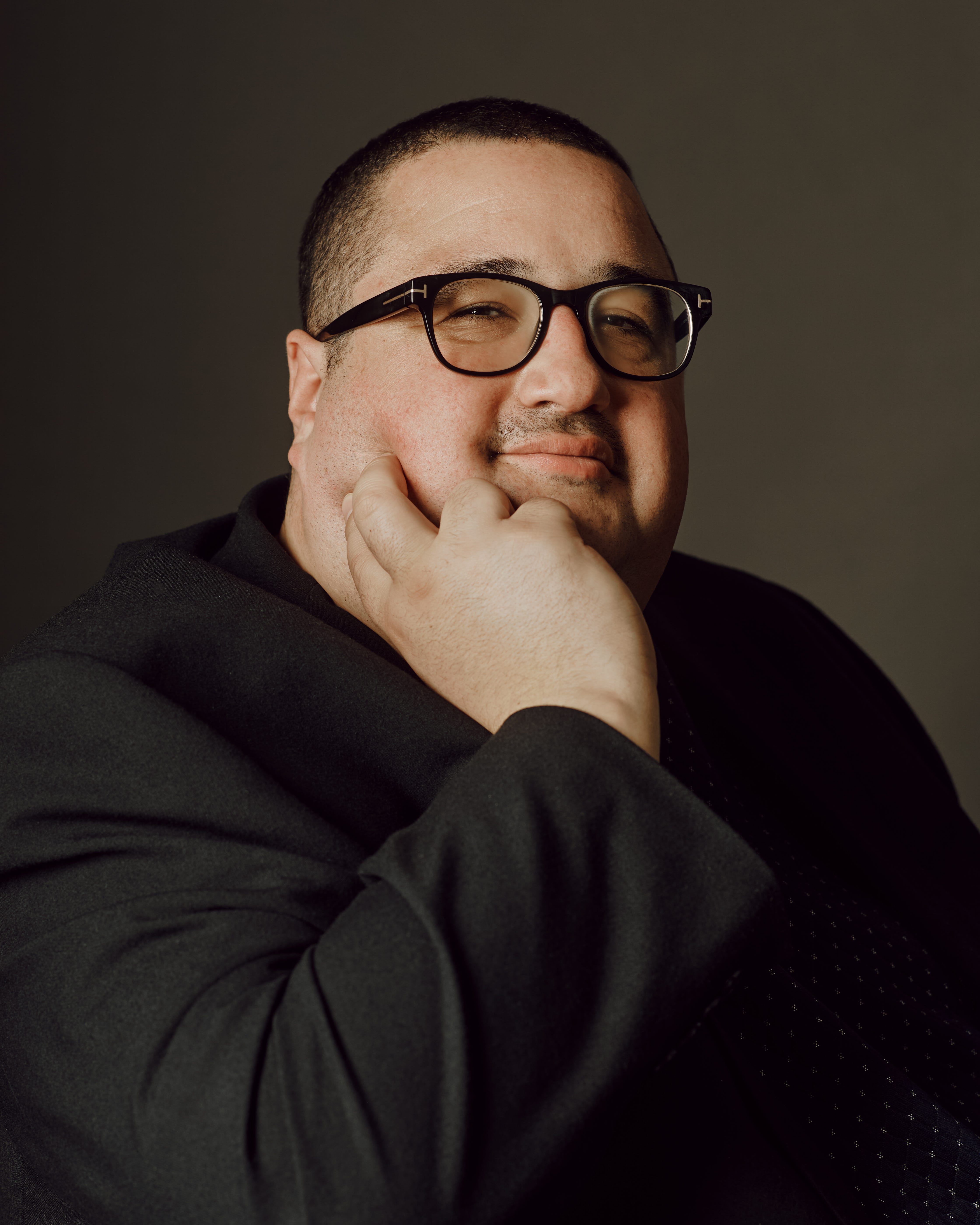
Ashley Daniel Foot - Host and Creator of Inside Vancouver Opera
Ashley Daniel Foot bridges the gap between the stage and the city through insightful, deep-dive conversations. Currently serving as Director of Engagement and Civic Practice at Vancouver Opera, he curates the multidisciplinary TD VOICES series and leads the City of Vancouver’s Arts and Culture Advisory Committee, ensuring storytelling and civic responsibility remain at the heart of the opera.
Mack McGillivray - Producer, Inside Vancouver Opera
Mack is a multimedia producer, creating shows for radio and podcast. He is passionate about cultivating local community and a lifelong lover of opera.