

Rachel Fenlon: The Soprano Who Accompanies Herself
The Vancouver-born soprano is reshaping the recital stage by performing as her own collaborator.


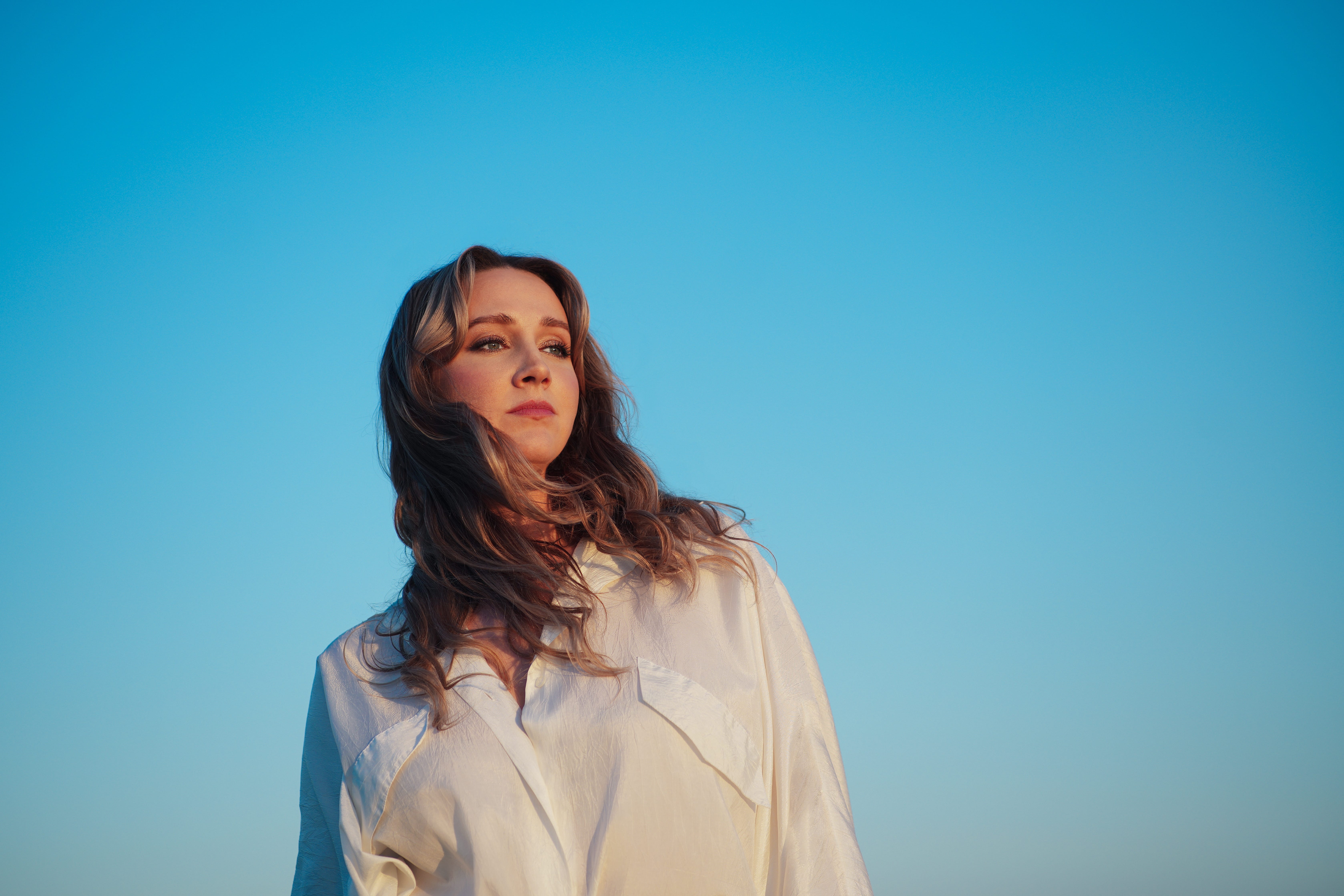
When Rachel Fenlon walks onto the stage, she acknowledges the audience, and gestures toward the piano.
There is no one there.
In a traditional recital, this is the moment when a singer introduces their collaborator — a small ritual that affirms the whole structure of the form: voice and piano, two artists in dialogue. Fenlon performs both roles herself. The gesture remains. The expectation quietly dissolves.
You can download this podcast on all major platforms including Apple Podcasts and Spotify.
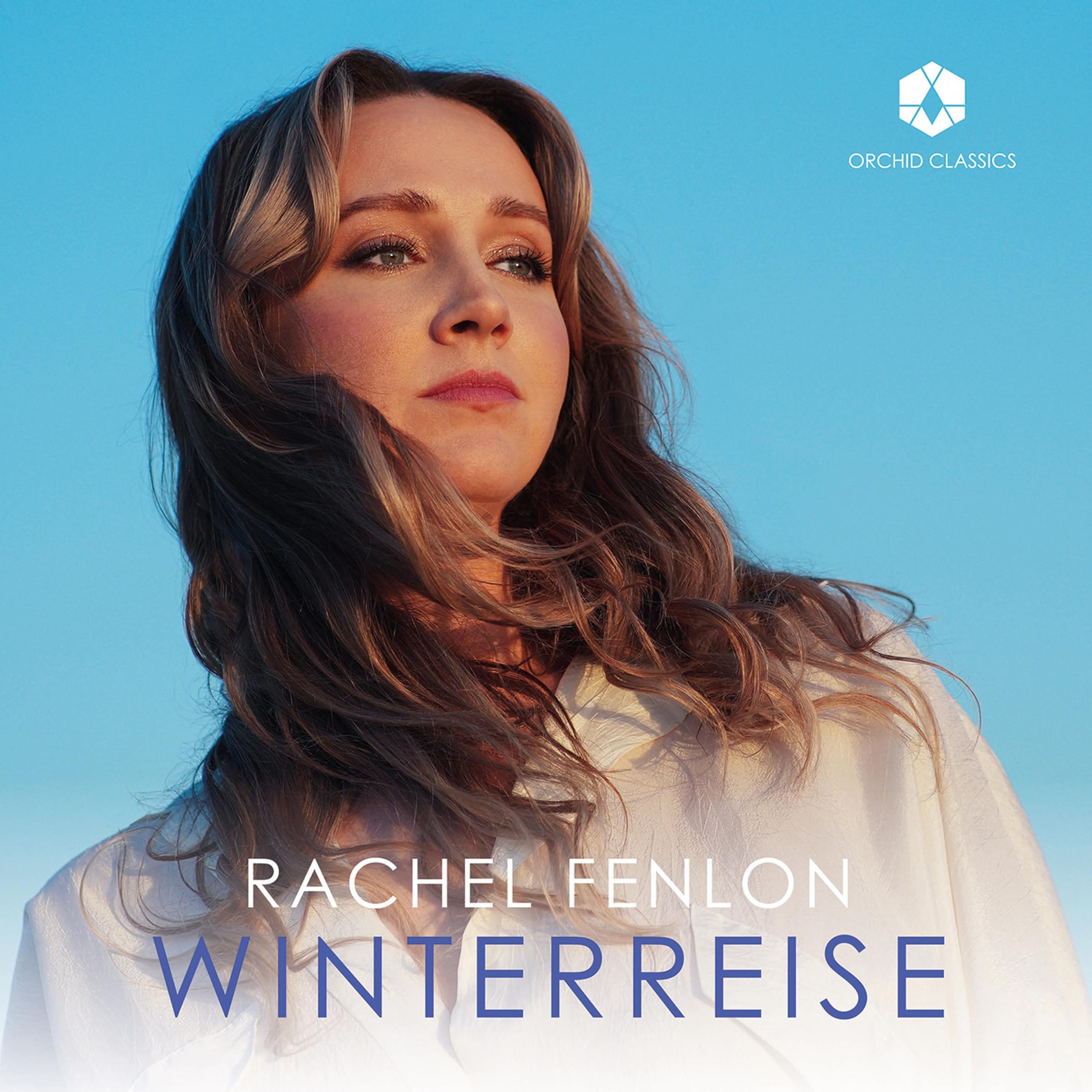
She has built an international career around this premise — self-accompanied recitals that collapse the usual hierarchy between singer and pianist, that ask what the form becomes when one person holds all of it. Her debut album, Winterreise, released in 2024, was the first self-accompanied recording of Schubert’s cycle, one of the great summits of the repertoire. Critics responded with cautious astonishment. “Extraordinary.” “Spellbinding.” The surprise wasn’t only that it worked — it was that it seemed to reveal something latent in the music itself.
For Vancouver audiences, her return carries an extra charge. Fenlon is a graduate of UBC and an alumna of Vancouver Opera’s Yulanda M. Faris Young Artists Program. She’s been based in Berlin for years now, her career moving steadily away from conventional pathways. On April 12, she performs at the Kay Meek Arts Centre in West Vancouver — a program of Schubert and Britten, folk songs, music she describes as reaching for a kind of distilled clarity.
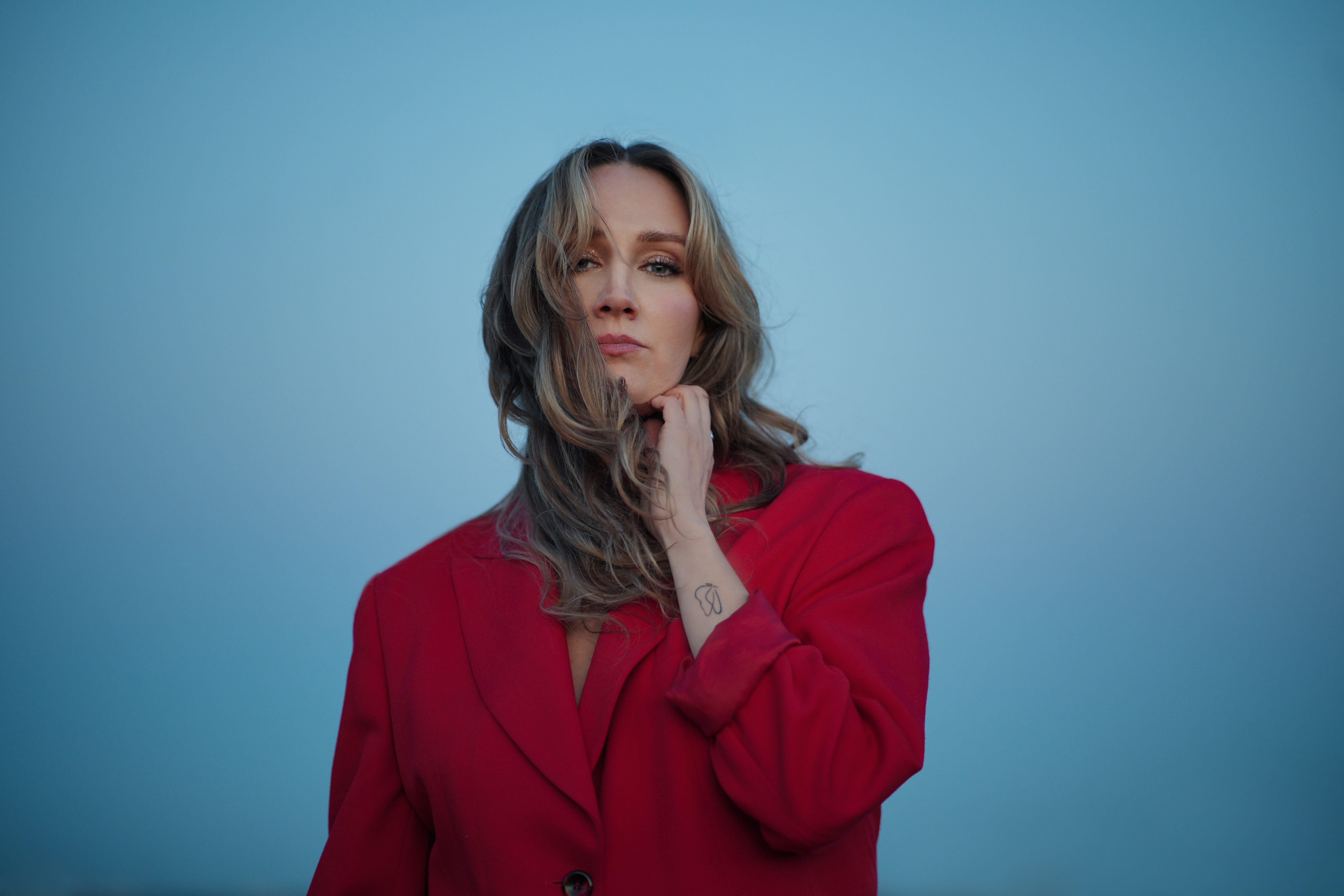
The impulse to combine singing and piano goes back to the beginning. Fenlon grew up on the West Coast, started at the keyboard at three, and came up through choral singing, musical theatre, and instrumental work simultaneously. When she entered formal training, that overlap became a point of tension.
“At eighteen, I remember asking why I couldn’t just sit and sing and play Schubert,” she said. “It felt strange to have to choose.”
She chose voice. She entered Vancouver Opera’s Young Artist Program, was cast as Mabel in The Pirates of Penzance, and stepped into Pamina in The Magic Flute when a colleague fell ill. The piano receded — not abandoned, but private. A parallel practice running quietly alongside.
“Once I started following it,” she said, “I realized it wasn’t going away.”
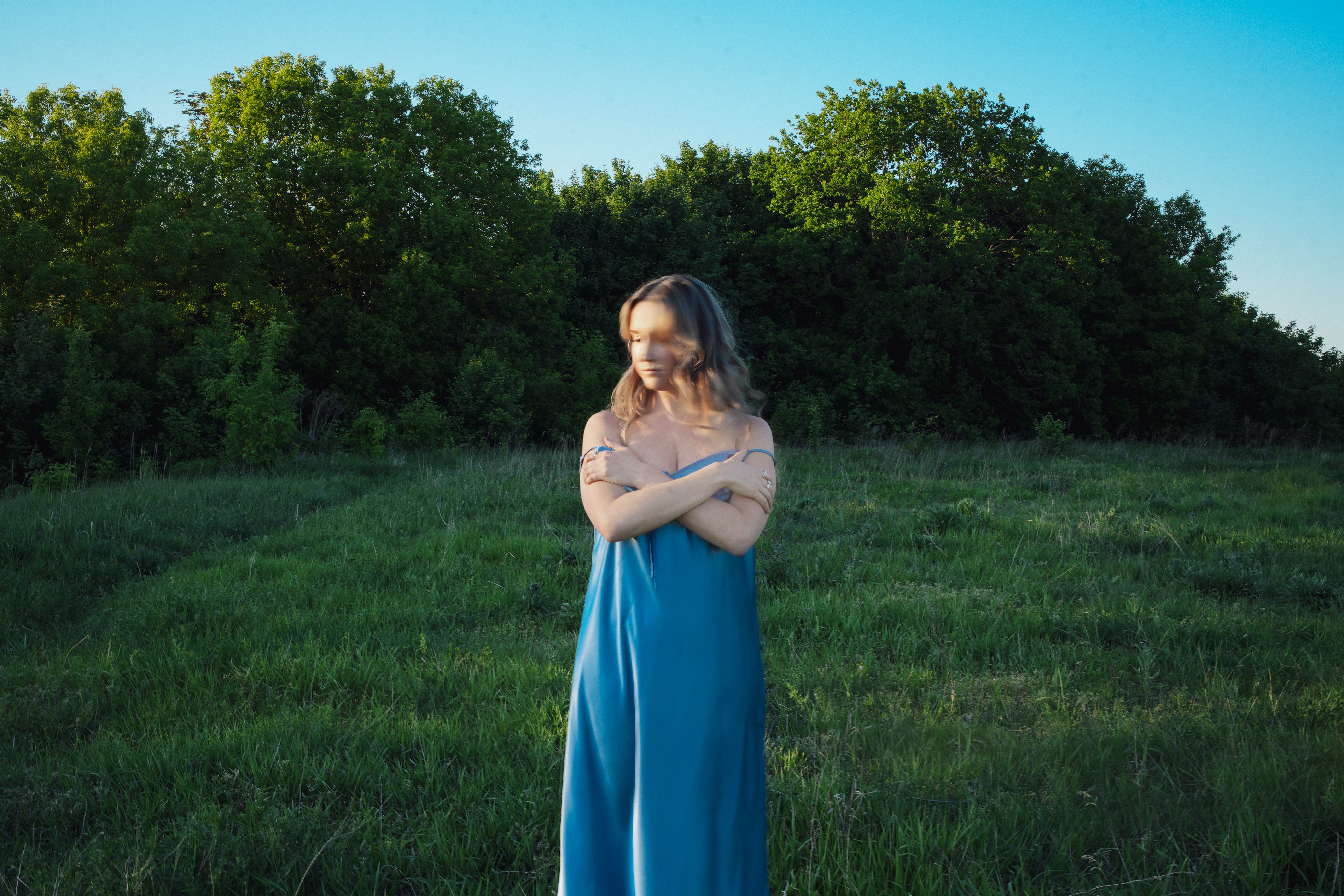
The turning point came during the pandemic. Fenlon was living outside Berlin, in relative isolation, working intensively through new repertoire. She chose Winterreise.
She was also grieving the death of a close friend.
“I felt like I was living inside it,” she said. “It wasn’t something I had planned. It just became the piece that reflected where I was.”
Her approach was methodical: piano first, memorized completely before the vocal line was added, so the accompaniment could settle into the body and the voice could move more freely. In her studio she surrounded herself with texts, colour-coded annotations, sketches of the emotional terrain of each song.
The technical challenges are considerable — Winterreise is rhythmically intricate, and holding two parts in a single body demands a particular kind of integration. But Fenlon describes the relationship between piano and voice as mutually reinforcing rather than competing.
“The piano can actually help the voice,” she said. “In the faster songs, the momentum of the accompaniment becomes the breath. They start to inform each other.”
She also points to something often overlooked: Schubert himself is believed to have performed parts of the cycle accompanying himself at the piano.
“When you remember that,” she said, “it changes the way you think about it. It reminds you that it’s possible.”
If Winterreise marked an inward turning point, what’s followed has moved steadily outward — into contexts where the conventions of the classical recital are less rigidly observed.
In March 2025, Fenlon performed at South by Southwest in Austin, a festival built around discovery and genre collision, where on any given night an audience might drift from a country set to an experimental electronic performance to something with no category at all. Not where anyone expects to find Schubert.
“It was in a club,” she said. “People could sit or stand, they could film, they could react however they wanted.”
She has become increasingly interested in presenting classical repertoire in spaces where concert etiquette loosens and audiences engage more directly.
“A lot of people feel excluded from classical music because they’re worried about how to behave,” she said. “In those spaces, that disappears.”
The program she brings to the Kay Meek is more restrained — Schubert paired with Britten’s folk song arrangements, music that emphasizes melodic clarity and narrative immediacy.
“I wanted something that felt simple,” she said, then quickly qualified it. “Music that people could leave humming.”
Returning to British Columbia, she says, is less about nostalgia than about grounding. Her mother lives on Salt Spring Island. The West Coast — the landscape, the light — functions for Fenlon as a kind of recalibration.
“You feel it in your body,” she said. “It changes how you approach the work.”
In conversation, she speaks less about innovation than about alignment: between disciplines, between intention and execution, between the music and the self. The language she uses is consistently physical. When asked what it feels like when everything is working — when technique and presence and expression converge — she paused.
“There’s no barrier,” she said. “No separation between the music and the body. You’re not trying to do anything. You’re just there.”
She searched for a word.
“It’s the feeling of being the vessel.”
For audiences accustomed to the conventions of the recital stage, the evening at the Kay Meek may begin with a small moment of disorientation — a gesture toward an empty bench, a familiar structure quietly undone. The dialogue between voice and piano hasn’t disappeared. It’s been relocated, held inside a single performer, and made visible in a way it rarely is.
Rachel Fenlon performs at the Kay Meek Arts Centre on April 12. Tickets here
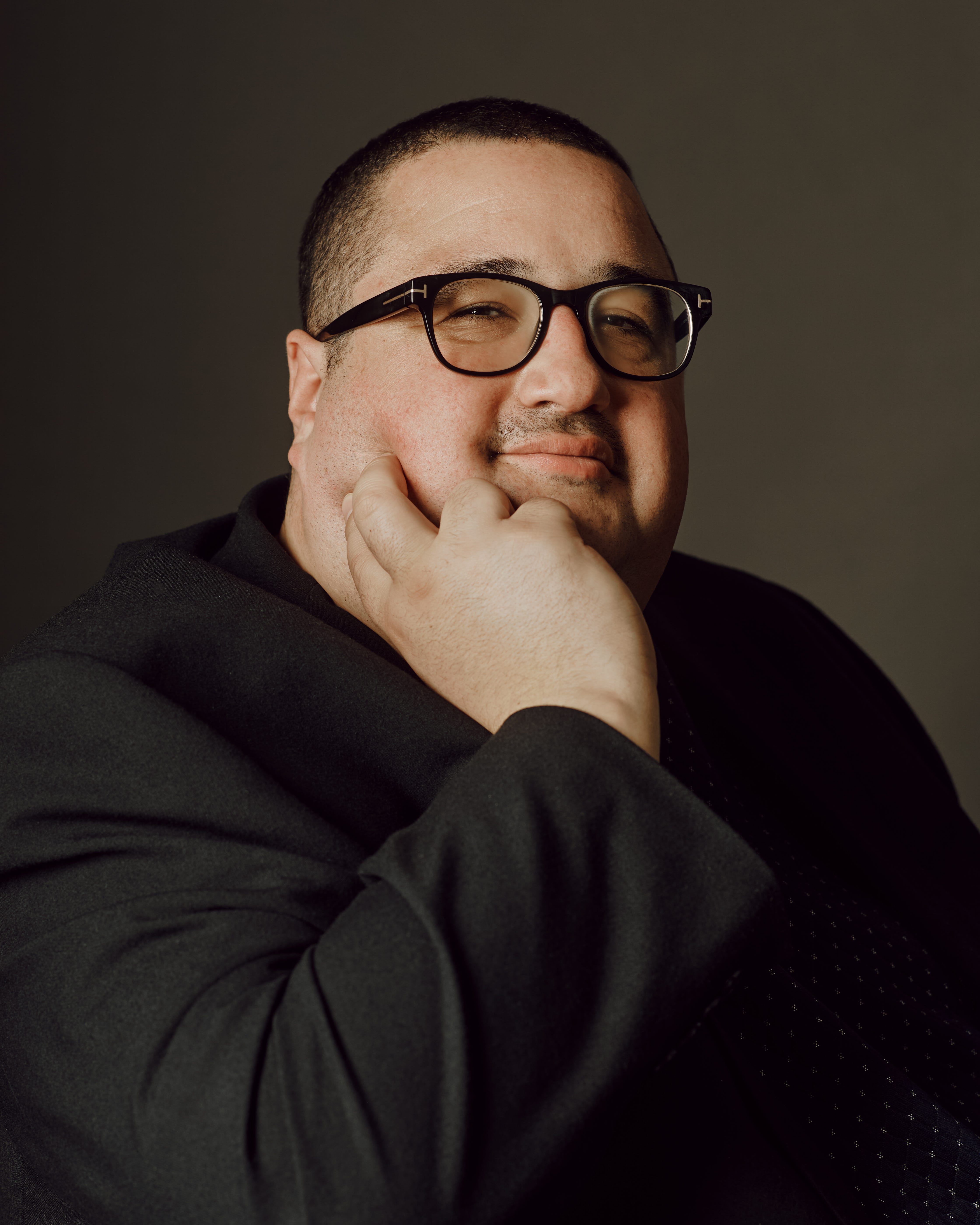
Ashley Daniel Foot - Host and Creator of Inside Vancouver Opera
Ashley Daniel Foot bridges the gap between the stage and the city through insightful, deep-dive conversations. Currently serving as Director of Engagement and Civic Practice at Vancouver Opera, he curates the multidisciplinary TD VOICES series and leads the City of Vancouver’s Arts and Culture Advisory Committee, ensuring storytelling and civic responsibility remain at the heart of the opera.
 | A guest post by
|