

"I Don't Know If She Fully Understood the Power of What She Was Carrying"
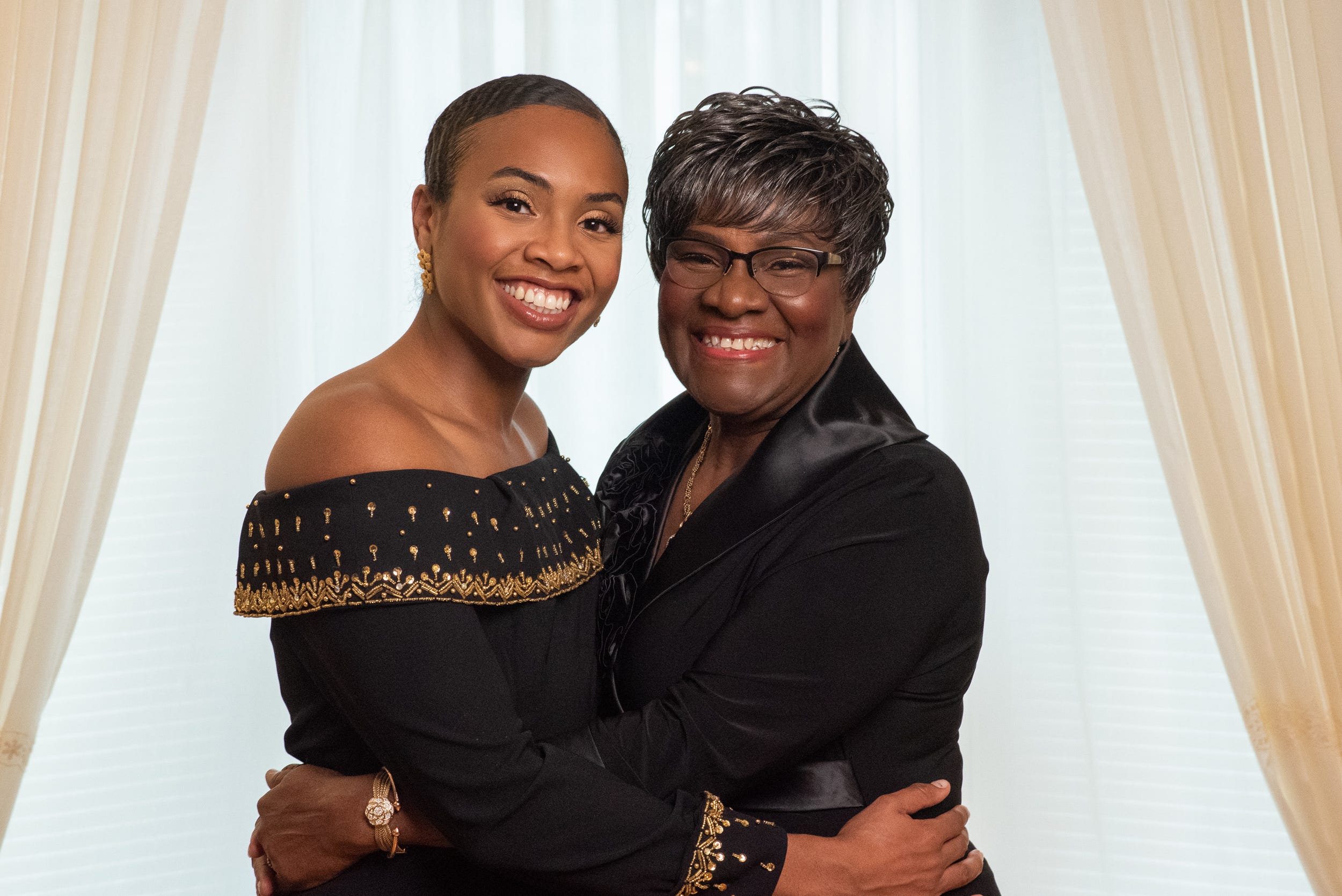
Desiree Sills watched her daughter Jonelle Sills become one of Canada's most celebrated sopranos. She was not surprised.


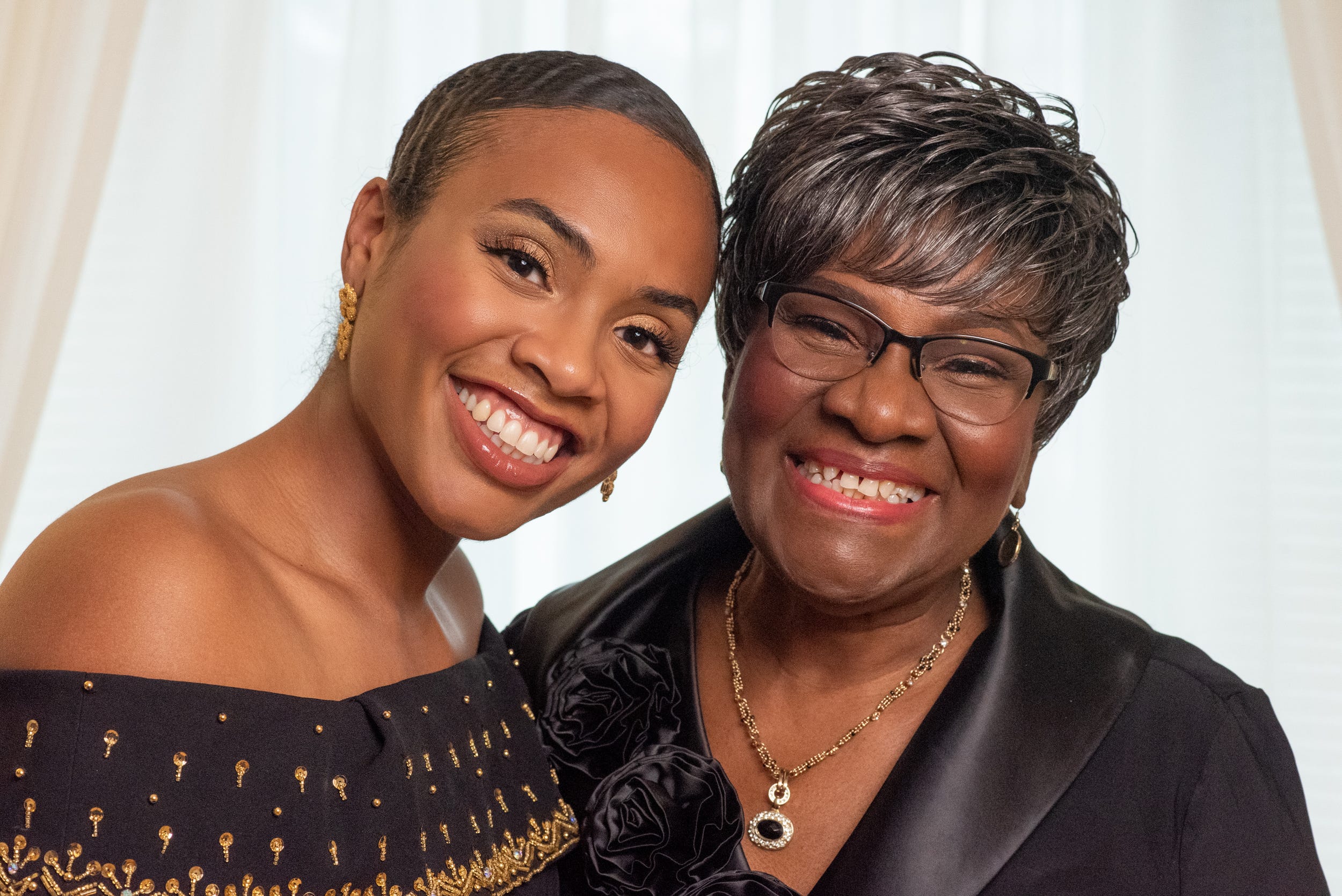
There’s a line from La Bohème that Jonelle Sills wrote all over her school binders as a teenager.
You can download this podcast on all major platforms including Apple Podcasts and Spotify.
She’d just been on a field trip to the Four Seasons Centre — her first real opera. When Rodolfo turned to his friends and said, I am the poet, and she is poetry itself, something cracked open in her. She was a high schooler from Markham. She had no idea what to do with what she’d just felt. So she wrote it down and carried it around with her, in purple ink and pencil smudges, pressed into binder after binder.
She didn’t know yet that she would become Mimi. She didn’t know she’d be standing on the stage of the Queen Elizabeth Theatre decades later — praised by the Globe and Mail, Juno-nominated, the lead in Vancouver Opera’s fastest-grossing production in recent memory. She just knew that something was beautiful. And she wrote it down.
This is the story of what happened between the binder and the stage. But it’s also the story of another woman — Desiree Sills — who sang first, in a different country, in a language shaped by British colonialism and the church, and whose voice became the very first music her daughter ever heard.
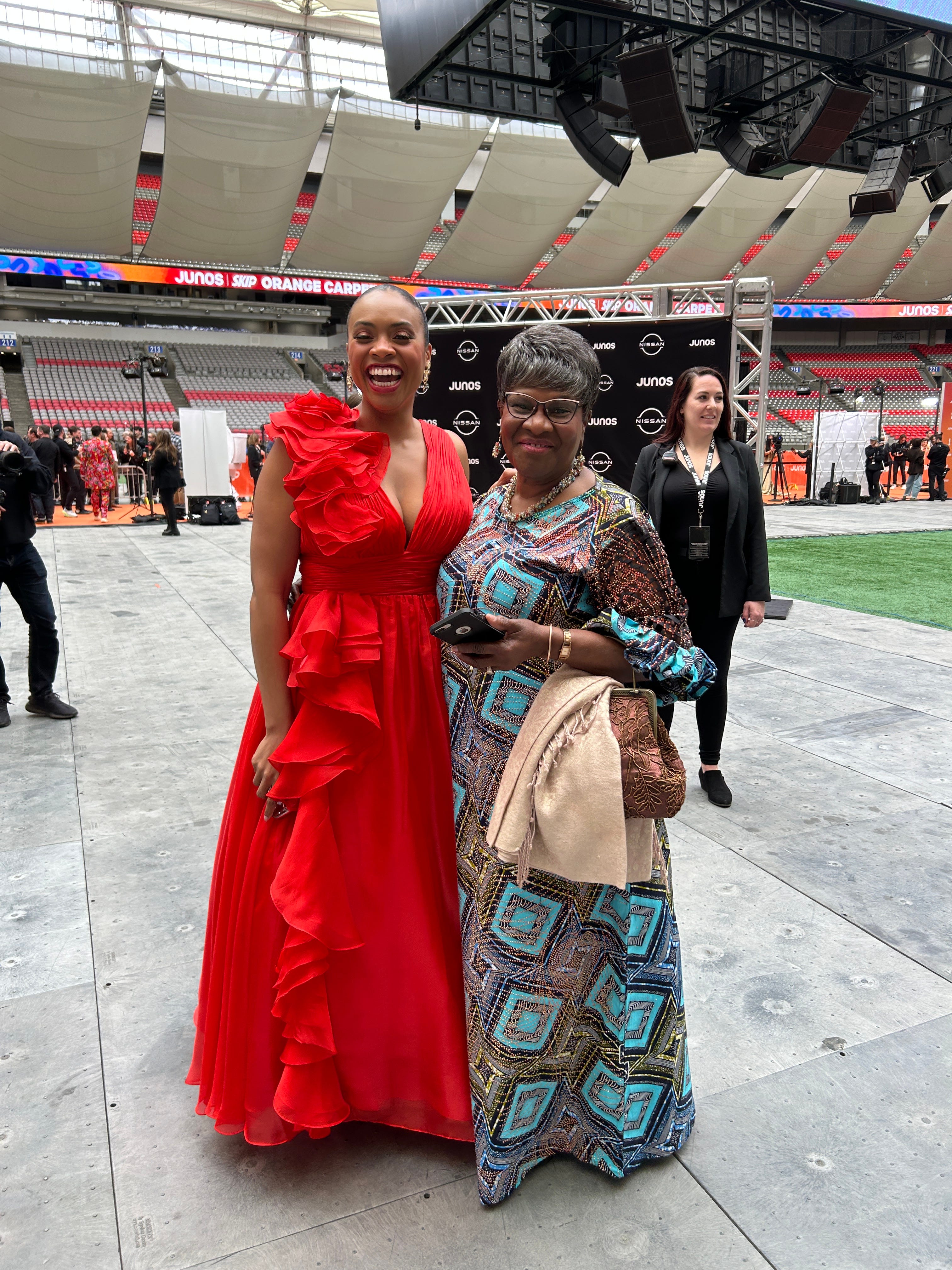
The Womb Was the First Stage
Desiree Sills is an ordained minister and a gospel choir soloist. She grew up in British Guiana (now Guyana) — the only English-speaking country in that part of South America, tucked between Venezuela and Brazil — under a grandmother who believed in diction, and who also believed, quite firmly, that no one wanted to marry a woman who sat at the piano all day making noise.
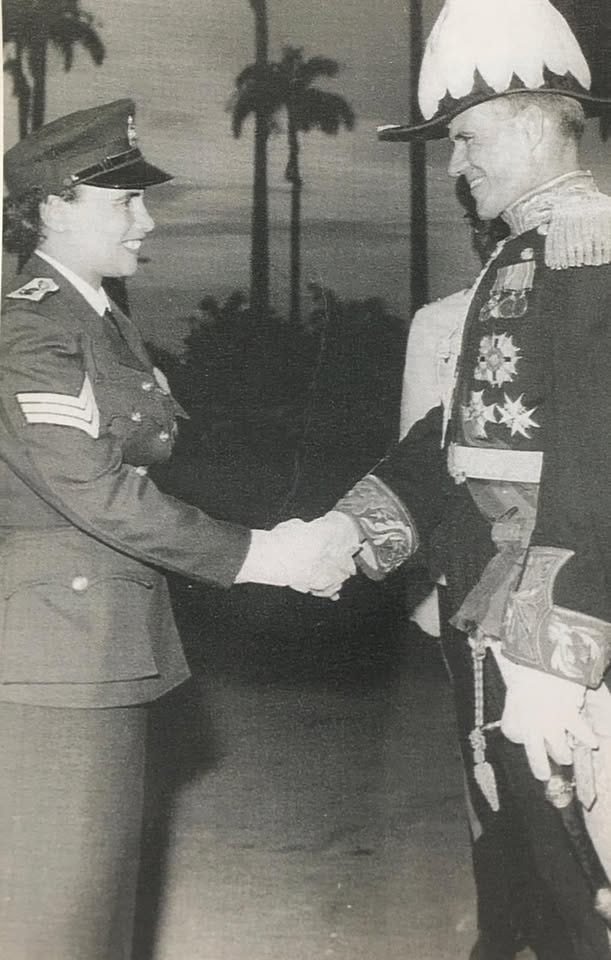
She wanted to play the organ. She wanted to sing. She watched the pastor’s daughter at church — young, in stilettos, moving her feet across the organ pedals without even looking — and was completely, irreversibly fascinated.
Life pulled her toward children instead. Five of them. And when she was pregnant with the youngest — the one who would become a soprano — she sang more than at any other time in her life.
“My womb was the first stage that she was introduced to music,” Desiree says, simply. She pauses. “Because I’m also a soloist.”
She describes singing solos in church, those years ago, and the people who would come to her afterward in tears — asking whether she’d been told to choose that particular song, because it had lined up so perfectly with the sermon. She never had been. She’d always prayed over it and chosen what came.
It is difficult not to sit with that image for a moment. A woman who dreamed of singing, who was gently redirected by the generations above her, who found her voice anyway — in church pews, in gospel choir, in the quiet of a home with five children — and who, while carrying her last child, sang and sang and sang.
Jonelle Sills came into the world already steeped.
Not a Gift — A Responsibility
Jonelle is quick to complicate the word gift. She’s used it herself, in interviews and on stage — I’ve been given a gift from God, and I knew not to waste it — but when you push her on it, something more nuanced comes through.
“It didn’t always feel like a gift,” she says. “It definitely felt like a responsibility. Sometimes a burden.”

For a long time, she didn’t want to share it. She wanted to keep her voice close — private, hers alone. It was her mother and her grandmother who pushed her outward, coaxing her into exposure she resisted. In the Bach Children’s Chorus, she held back from solos. At home, she was reluctant. She describes the version of herself in those early years as insecure, guarded, unwilling to be vulnerable.
“The best compliment anyone could ever give me,” she says, “is that I sounded better than the last time.”
She wasn’t chasing stardom. She was chasing becoming. And in that space, without quite meaning to, she built a career.
Desiree remembers a day Jonelle came home from university in tears. She hadn’t thought at the time they were tears of cruelty — she thought they were tears of someone being pushed toward the size of her own potential. “At that point,” she says quietly, “I don’t know if she fully understood the power of what she was carrying.”
Voluntold
The Bach Children’s Chorus wasn’t Jonelle’s idea.
“She was voluntold,” Desiree says, grinning. Jonelle confirms this with a laugh.
But she stayed. And when she aged into the chamber choir, she taught herself to sight-read — no piano lessons growing up, no formal training before university — through sheer determination. The other children in those ensembles had grown up with music. They could read it the way they read words. Jonelle had to learn the alphabet from scratch, in real time, while keeping up.
“She did not just have the voice,” Desiree says. “She had the discipline. She had the passion.”
When the question of university came up, Jonelle came home and told her mother plainly: everyone else was planning, so how were they going to do it? And then — with a frankness that makes both of them laugh to remember — she added: And I don’t want to hear that God will provide.
“Saucy little girl,” Desiree says.
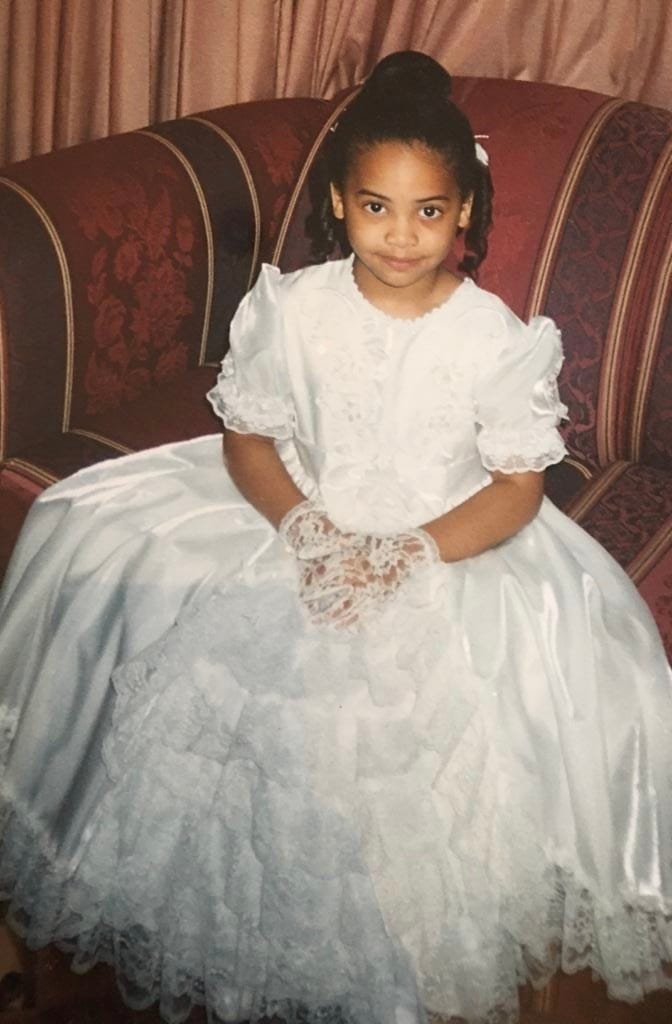
“I don’t remember saying that,” Jonelle says.
There was not much money. There had not been, really, for most of it. Desiree came to Canada “with not one dime.” Five children. A choir rehearsal here, a school trip there. A binder full of Italian. And a daughter who, against all practicality, kept moving toward the thing that called to her.
Not the Token
There is something that Jonelle Sills carries into every rehearsal room, every stage, every audition — something many of her colleagues do not.
She is one of only a handful of Black women performing at her level in Canadian opera. She knows this. She has always known this.
She describes the moment she first saw soprano Measha Brueggergosman perform — the joy of recognition, the shock of it, and then the immediate question that followed: But how come there’s only one of her?
“No one wants to be the token,” she says. “Even if you are succeeding from it. Like Leontyne Price, Jessye Norman, Kathleen Battle — I think they would have loved to be surrounded by people who were also at that level. We know there are probably thousands, if not millions, of talented Black artists at that level. But only a handful are let in.”
Her Juno-nominated album with the Canadian Art Song Project, Known to Dreamers: Black Voices in Canadian Art Song, carries this weight. Her contribution was a song cycle called The Colour of Joy. The dreamers, she explains, are the people who immigrated to Canada — like her parents, from Guyana — and planted their roots so something could grow. The dreamers are university students trying to find their diaphragm. The dreamers are everyone who ever hoped, without quite knowing what they were hoping toward.
“It is my life,” she says. “It is everyone’s life.”
Desiree puts it differently. “I am not a minority,” she says, “because God did not make minorities.” She speaks about her son too — André Sills, an actor at the Stratford Festival — and the emotion of watching her children’s names appear in newspapers, spoken about on television. “I came to Canada with not one dime,” she says again. “And I stand in awe many times when I see what God has done.”
She wrote something down before opening night. She can’t quite remember the exact words. But it was about this: this is the child of an immigrant.
She Should Be My Alter Ego
Ask Jonelle what her mother has given her, and she pauses.
“She should be my alter ego,” she says, almost laughing. “She has so much vibrancy, confidence, joy. And I feel that is everything an opera singer needs — to stand on a stage and tell very vulnerable stories.” She adds: “My mom is also able to make deep personal connections in an instant. And I feel that’s such an important skill. Because that’s how you build a career. By building trust. By building friendship.”
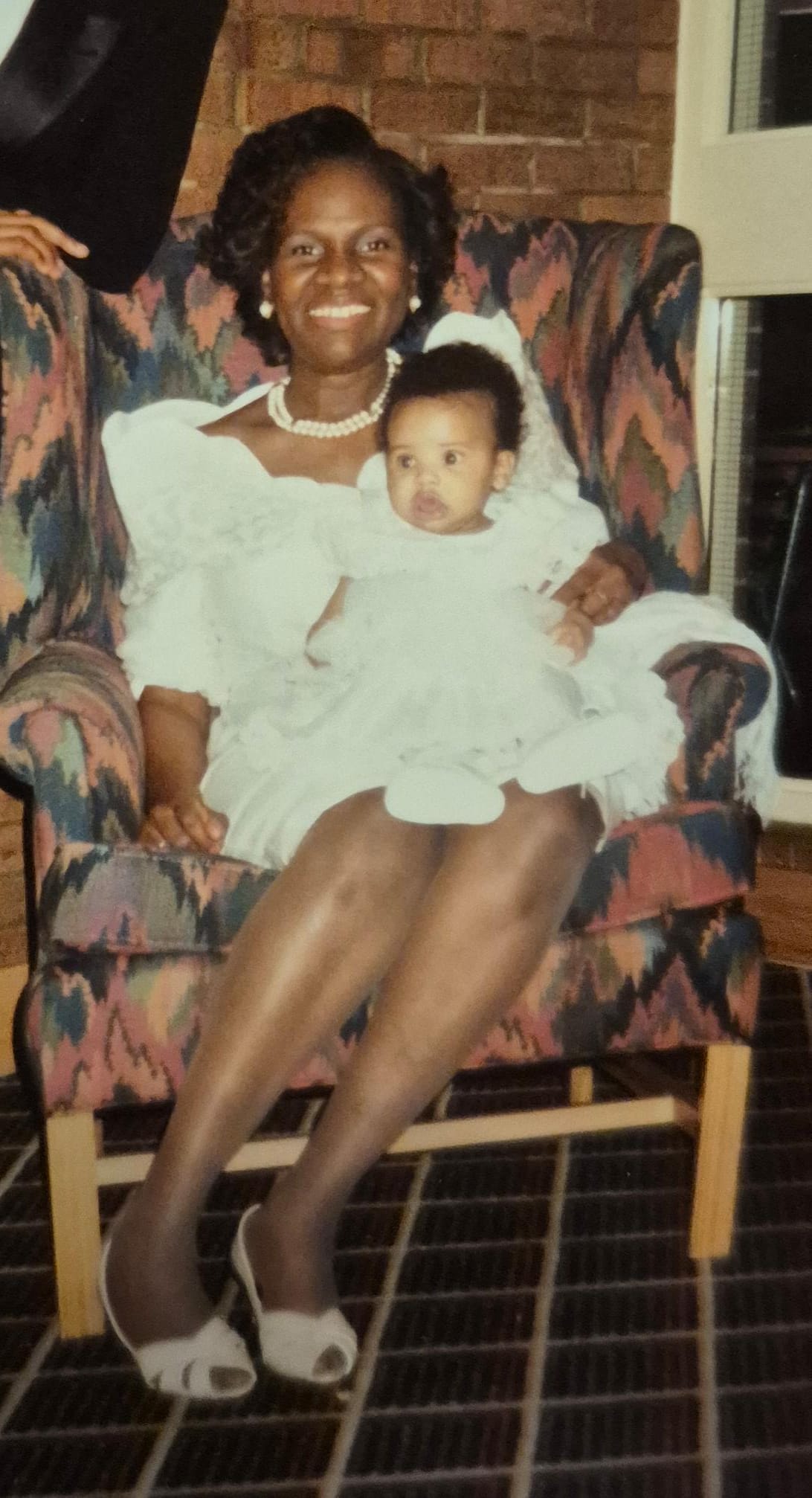
Desiree, for her part, says she tries to attend every performance she can. Not because she has the money for it. Not because it’s easy. But because, she says quietly: “I only have one opportunity, and it’s called life. I’m not always going to be here. But while I’m here, I want to celebrate — because I saw the journey. I saw the pain. I saw the tears. I saw the fear and sometimes the rejection. But the fact that she never gave up.”
A beautiful vase, she says at one point — without flowers, it’s just a lonely vase.
The Binder Comes Full Circle
There is no tidy bow to put on a story like this. But there is something close.
Jonelle Sills stood on the Queen Elizabeth Theatre stage this spring and sang Mimi — the character whose introduction cracked her open at seventeen, the one she wrote in ink all over her binders. The opera she stumbled toward. The role she spent a lifetime building toward without ever quite planning to.
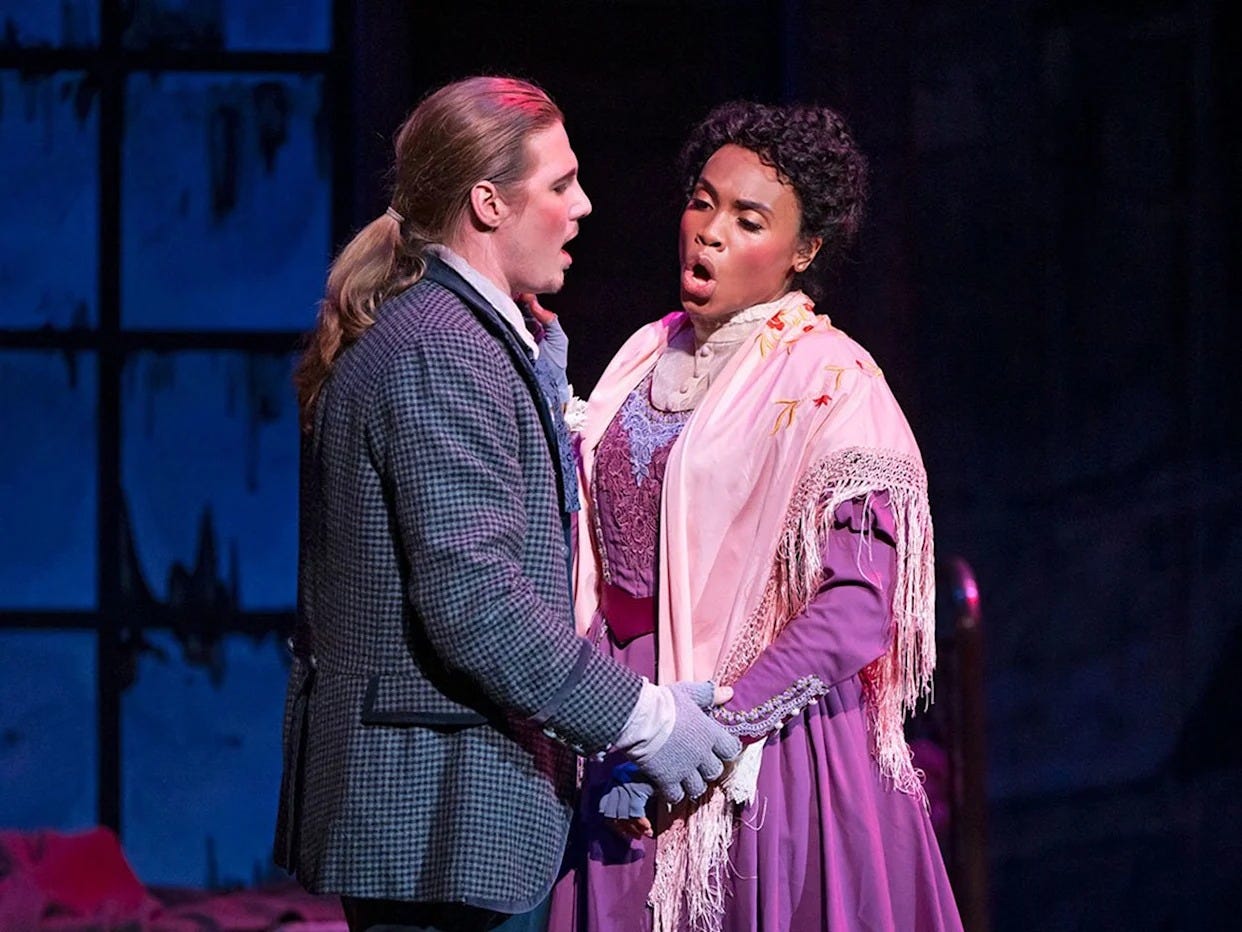
Her mother was in the audience.
The last time we spoke with Jonelle about all of this, she said something we keep returning to. We asked about the instinct that drives her best singing. She said it’s the same thing that drives singing in church — the commitment to communicating something, to reaching through the music toward whoever is listening. Whether that is the love of God, the strength of community, the search for hope.
“That streamline,” she said, “transcends all genres.”
It started in a womb full of gospel. It moved through a church in Markham, a children’s chorus she didn’t choose, a binder no one else could read, a field trip to the opera, years of discipline no one saw, a stage at the Queen Elizabeth Theatre, a Juno nomination, a song cycle for the dreamers.
And somewhere in all of it — underneath the career and the acclaim and the reviews — it is still, very simply, a daughter carrying her mother’s voice into a room and giving it away.
This episode and accompanying Substack article was written, produced, edited, hosted, and recorded by Ashley Daniel Foot.

Ashley Daniel Foot - Host and Creator of Inside Vancouver Opera
Ashley Daniel Foot bridges the gap between the stage and the city through insightful, deep-dive conversations. Currently serving as Director of Engagement and Civic Practice at Vancouver Opera, he curates the multidisciplinary TD VOICES series and leads the City of Vancouver’s Arts and Culture Advisory Committee, ensuring storytelling and civic responsibility remain at the heart of the opera.